Are Solar Panels Worth It in 2026? A Simple Homeowner Guide
Are solar panels worth it in 2026? Learn the key factors: electricity prices, roof suitability, self-use, batteries, tariffs, maintenance and payback.

Grow Here Editorial
Energy & Efficiency Desk
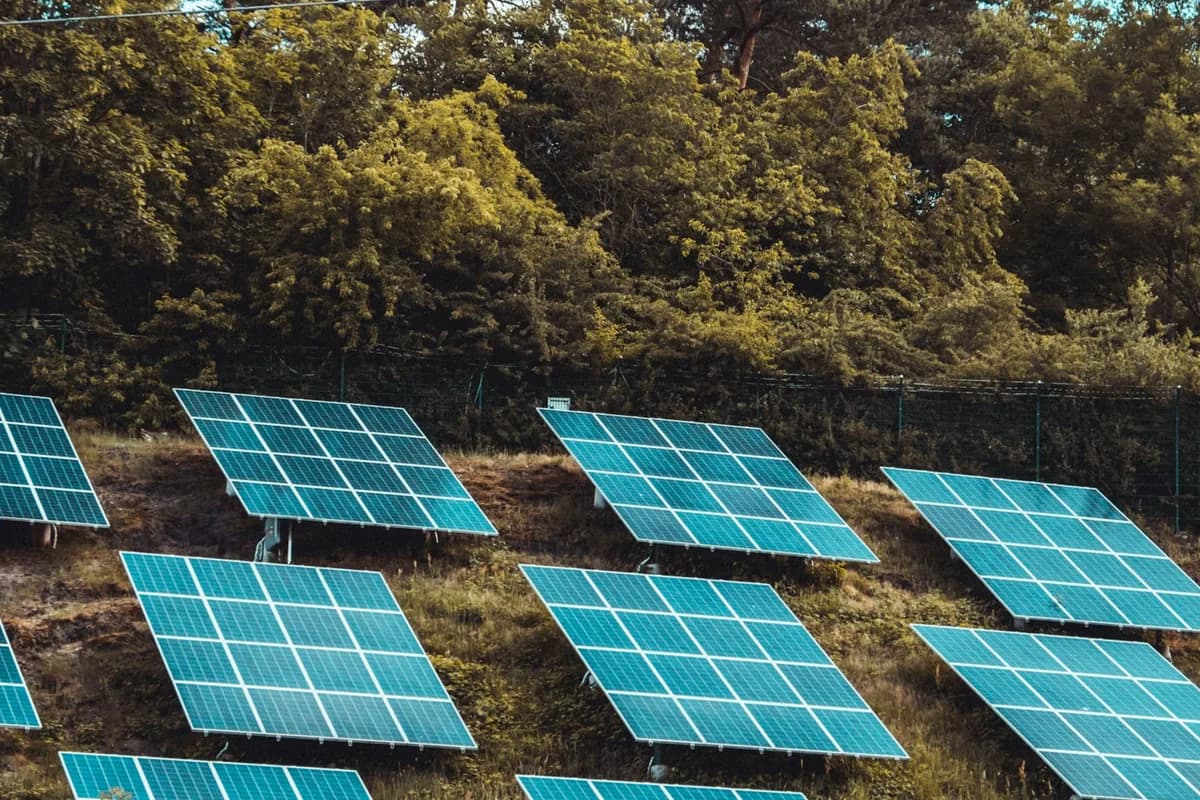
Solar panels can be a strong home-energy investment, but there is no universal payback period. The value depends on how much electricity the system produces, how much of that power you use yourself, local electricity prices, export payments, installation cost and available incentives. In 2026, solar remains a major area of consumer interest, but the correct decision is still local.
Before getting solar quotes, inspect your roof for tree shading between 10 AM and 3 PM. Even partial shading on older string-inverter setups can reduce system efficiency.
Start with your electricity use
Look at at least 12 months of bills if possible. A household with high daytime use may consume more solar power directly, while a home that is empty all day may export more. Your usage pattern affects the value of every unit generated.
Check the roof
Roof direction, tilt, shade, usable area and structural condition all matter. A roof that will need replacement soon may be better repaired first. Ask installers to explain shading assumptions and expected annual generation.
Understand self-consumption
Electricity used directly in the home can be worth more than exported electricity, depending on your tariff. Running flexible loads - such as laundry or water heating - during solar production can increase self-use where safe and practical.
Compare quotes on the same basis
Do not compare only system price. Compare panel capacity, inverter type, warranties, expected annual production, monitoring, installation scope and assumptions about electricity inflation or export revenue.
Be cautious with payback claims
A simple payback estimate divides net system cost by expected annual savings, but future energy prices, maintenance, performance degradation and tariff changes can affect the result. Ask for conservative and optimistic scenarios.
Should you add a battery?
A home battery can store excess solar for evening use or, in some markets, charge during cheaper tariff periods. Batteries add cost and have finite cycle life, so the financial case depends on tariff differences, backup value and your consumption pattern.
Think about backup separately
A standard grid-tied solar system may shut down during an outage for safety. Backup operation usually requires compatible equipment and a properly designed battery or backup system. Do not assume rooftop panels alone will power the house during a blackout.
Check incentives and rules
Tax credits, rebates, net metering, export tariffs and interconnection rules vary widely and can change quickly. Verify current information with your local utility, regulator or official government source before signing a contract.
Evaluate installer quality
Good design and installation matter as much as panel brand. Check licensing requirements, references, warranties and what happens if the installer stops trading. Avoid pressure to sign immediately.
Solar is strongest after efficiency
If your home wastes energy through inefficient heating, cooling or appliances, reducing that waste may be cheaper than installing a larger solar array. Efficiency and solar often work best together.
When solar may not be a good fit
Solar can be less attractive for heavily shaded roofs, very low electricity use, short-term ownership or markets with low electricity prices and weak export value. Community solar or a green electricity tariff may be alternatives where available.
Frequently Asked Questions
Related Guides to Explore
Grow Here Editorial
Energy & Efficiency Desk
Curating practical, evidence-backed advice for greener homes, sustainable systems, and intentional daily living across Grow Here.
Related Stories

Dehumidifier Running Costs: Calculate Your Actual UK Cost
Use measured kWh and your tariff to compare a complete drying session, including time bands and purchase-cost assumptions.
Letterbox Draught-Proofing: Checks Before Fitting a Brush
Check the source of the draught, door permissions, safe closure and ventilation before choosing a letterbox flap or brush.
Using a Plug-In Energy Monitor in a Rented Flat
Measure suitable plug-in appliances without altering wiring, then turn kWh readings into useful household decisions.