Best Low-Light Indoor Plants for Apartments: 9 Easy Choices
Discover low-light indoor plants that can handle dimmer apartments, plus simple care tips for watering, placement and healthy growth.

Grow Here Editorial
Horticulture & Living Desk
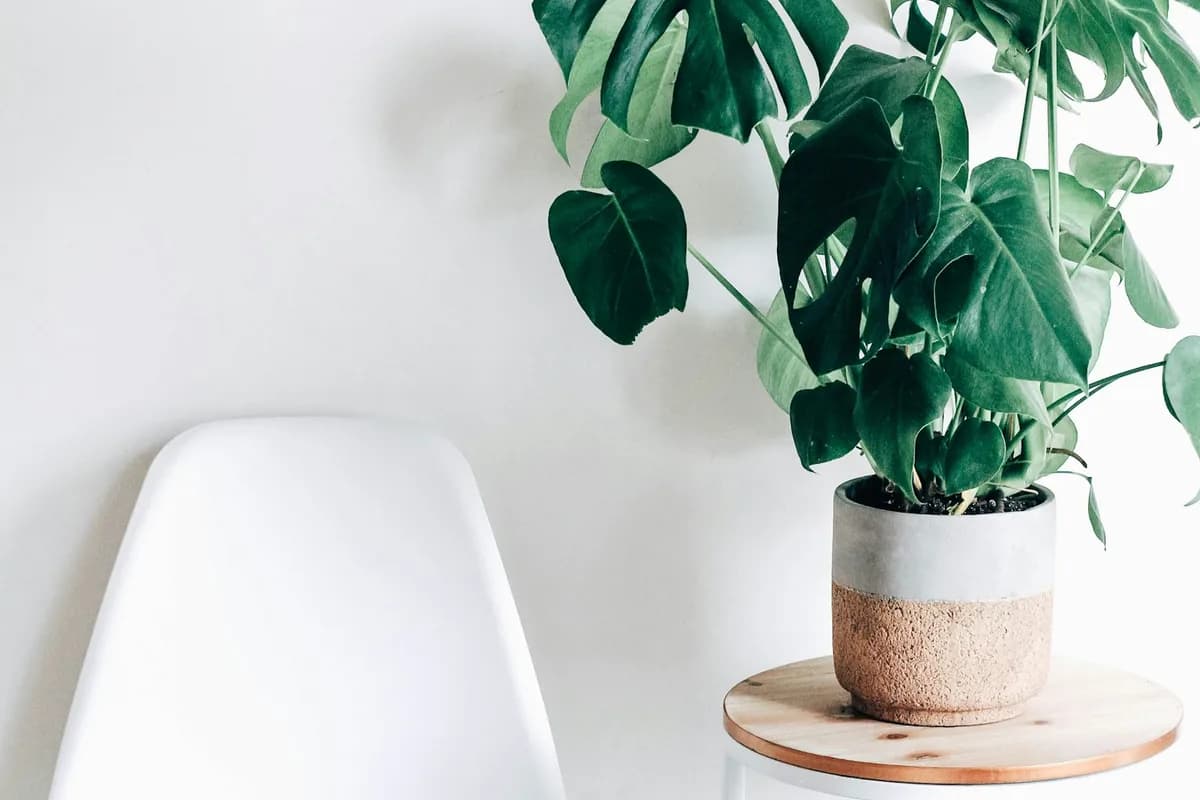
Low light does not mean no light. Every plant needs enough light to photosynthesize, but some houseplants tolerate dimmer conditions better than others. The best choice is a plant that fits your actual room rather than a plant selected only because it looks good online.
In low-light spaces, plants use water much more slowly. Always check that the top two inches of potting mix are dry before watering to avoid root rot.
1. ZZ plant
ZZ plants are known for tolerating a wide range of indoor conditions. They store water in thick underground structures, so overwatering is a bigger risk than forgetting one watering. Let the potting mix dry substantially before watering again.
2. Snake plant
Snake plants handle lower light and irregular watering better than many tropical houseplants. They still grow more strongly in brighter indirect light. Use a pot with drainage and avoid leaving the roots constantly wet.
3. Pothos
Pothos can adapt to lower light, although variegated varieties may lose some pattern or grow more slowly. It is easy to trail from a shelf or train up a support. Water when the upper part of the potting mix has dried.
4. Chinese evergreen
Aglaonema is a classic choice for lower-light rooms. Green varieties generally tolerate dim conditions better than highly variegated forms. Keep it away from cold drafts and avoid waterlogged soil.
5. Cast iron plant
Aspidistra earned its reputation by tolerating conditions that challenge many houseplants. It is slow-growing and prefers not to sit in soggy compost. This makes it a good choice for a hallway or shaded corner with some natural daylight.
6. Parlour palm
Parlour palms are compact, graceful and more tolerant of lower light than many palms. Keep the soil lightly moist but not saturated. Dry indoor air can cause brown tips, so avoid placing the plant next to heating vents.
7. Spider plant
Spider plants are forgiving and produce arching leaves plus small plantlets. They can live in moderate to lower light, although stronger indirect light supports fuller growth. Water when the upper soil begins to dry.
8. Peace lily
Peace lilies tolerate lower light but usually flower better in brighter indirect light. They prefer more even moisture than ZZ plants or snake plants. Keep the pot draining freely and avoid letting it stand in water.
9. Heartleaf philodendron
Heartleaf philodendron is a flexible trailing plant that can handle moderate to lower light. Growth will be slower in dim spots. Give it a support or let it trail, and water after the surface begins to dry.
How to tell if a room is too dark
If you can barely read in the room during the day without switching on a light, most houseplants will struggle. Move the plant closer to a window, use a brighter location or consider a small grow light. Long gaps between leaves, leaning growth and loss of variegation can also suggest insufficient light.
Water less in lower light
Plants use water more slowly in dim conditions. Check the soil instead of following a fixed weekly schedule. Good drainage is essential because roots that remain wet for too long are vulnerable to rot.
Frequently Asked Questions
Related Guides to Explore
Grow Here Editorial
Horticulture & Living Desk
Curating practical, evidence-backed advice for greener homes, sustainable systems, and intentional daily living across Grow Here.
Related Stories
Autumn Pollinator Pots: Plan Flowers for a Small UK Garden
Build a practical late-season flowering plan using container size, exposure and overlapping bloom periods rather than a shopping list.
Balcony Wind Protection for Plants: A UK Decision Guide
Work out whether moving pots, changing plants or an approved permeable screen is the right response to an exposed balcony.
A Balcony Wormery in Winter: Is Your Setup Suitable?
Check shelter, food input, maintenance and a backup waste route before starting or overwintering a wormery in a UK flat.