Autumn Pollinator Pots: Plan Flowers for a Small UK Garden
Build a practical late-season flowering plan using container size, exposure and overlapping bloom periods rather than a shopping list.

Grow Here Editorial
Editorial Team
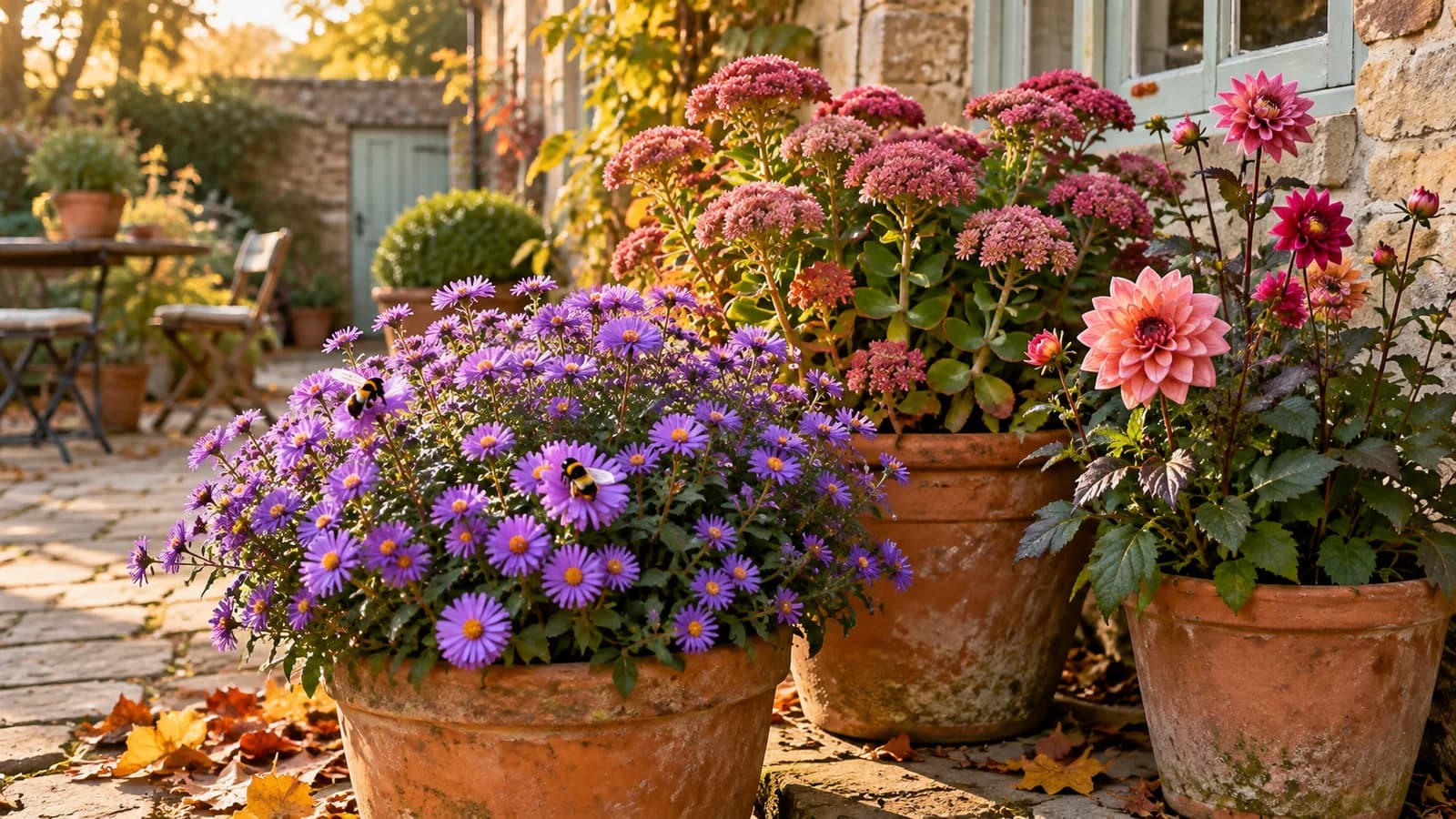
For useful autumn pollinator pots, choose plants that flower during a gap in your existing display and suit the container's light, size and exposure. Buying several pots already at peak bloom may give a brief show without extending the season. Plan the sequence before choosing the colours.
This is a small-space planning method, not evidence that a particular number of containers will produce a measured biodiversity gain. Flowering dates vary with cultivar, weather and location across the UK.
Start with what is already flowering
For one week, note which plants have open flowers and whether insects visit. Record the time and weather: a quiet cold morning does not establish that a plant has no wildlife value. A photograph helps you compare the same container later.
Make four columns headed late summer, September, October and later autumn. Under each, write what normally flowers in your own space. Mark entries as expected or observed. This distinction prevents a plant label's broad flowering range becoming a claim about your particular garden.
Our small-space garden guide helps organise the area; this plan focuses specifically on continuity of flowers.
Compare candidates before committing a pot
The RHS autumn pollinator selection includes Hylotelephium, Michaelmas daisies and open-flowered dahlias among late-season options. These names cover plants with differing dimensions and care needs. Check the exact cultivar rather than assuming every example fits a small pot.
Use a comparison card for each candidate:
- Expected flowering period at your location, checked against the nursery label and plant guidance.
- Mature height and spread, including support needs.
- Light and moisture requirements.
- Suitable container volume and eventual repotting needs.
- Winter care and whether you have somewhere appropriate for it.
Reject a candidate that only works if you can provide winter storage you do not have. A plant with a slightly shorter season but manageable care may be a better choice.
An illustrative three-container plan
Suppose you have three containers in a sunny ground-level courtyard. Existing herbs offer flowers earlier in the year, but little remains by September.
Assign each available position a role: one late-summer overlap, one main autumn display and one experiment. A compact Hylotelephium might be assessed for the first two roles; a compact Michaelmas daisy might be compared for the other. Do not buy either until the specific plant fits the site and container.
The experiment pot is deliberately limited to one change. Record whether it flowers when expected and whether maintenance is practical. If all three pots finish simultaneously, change one next season instead of replacing the entire arrangement.
Keep flowers accessible without neglecting the site
The RHS container habitat guide shows how small planted spaces can provide wildlife resources. It supports choosing suitable flowering plants, rather than assuming a large garden is essential.
Put your observation position somewhere you can reach without blocking a path. Maintain plants according to their own requirements. On exposed balconies, resolve wind protection and pot stability before expanding the collection. These practical limits matter as much as the species list.
Avoid spraying a visiting insect or an unidentified problem. Identify pests and assess actual damage before deciding whether intervention is necessary. A completely unmarked leaf is not the purpose of a wildlife planting plan.
Troubleshoot a disappointing autumn display
Flowers finished earlier than expected: record the actual dates and review cultivar choice. Do not automatically increase feeding.
Plant grew too tall: check whether the mature dimensions were overlooked. A compact replacement may fit better than permanent staking.
Few visible visitors: compare observations at several mild, dry times. Keep the result as a local observation, not a controlled trial.
The pot stayed wet: investigate drainage and growing medium before adding winter planting on top.
If herbs already occupy your containers, our balcony herb guide helps identify their growing requirements before you decide which spaces remain available for flowers.
Frequently asked questions
Are all autumn bedding plants useful to pollinators?
Do not assume so. Check the exact plant and whether its flowers offer accessible resources.
Must I use only native plants?
A useful container plan can include suitable garden plants. Consider flowering continuity, site fit and local ecological concerns together.
Will one pot make a measurable difference?
It can provide flowers, but this guide cannot quantify its ecological impact. Avoid unsupported percentage claims.
Can I plant in October?
It depends on the plant and conditions. Check its planting guidance and avoid treating a calendar date as a guarantee.
Should I remove every seedhead?
Follow the needs of the plant and your wildlife aims. Extending flowering and retaining seeds can be different priorities.
Fill one real gap
Map your existing season, compare two suitable candidates and add one plant for the clearest gap. Keep dates and photographs. Next year's buying decision can then respond to your own flowering record rather than another generic list.
Grow Here Editorial
Editorial Team
Curating practical, evidence-backed advice for greener homes, sustainable systems, and intentional daily living across Grow Here.
Related Stories
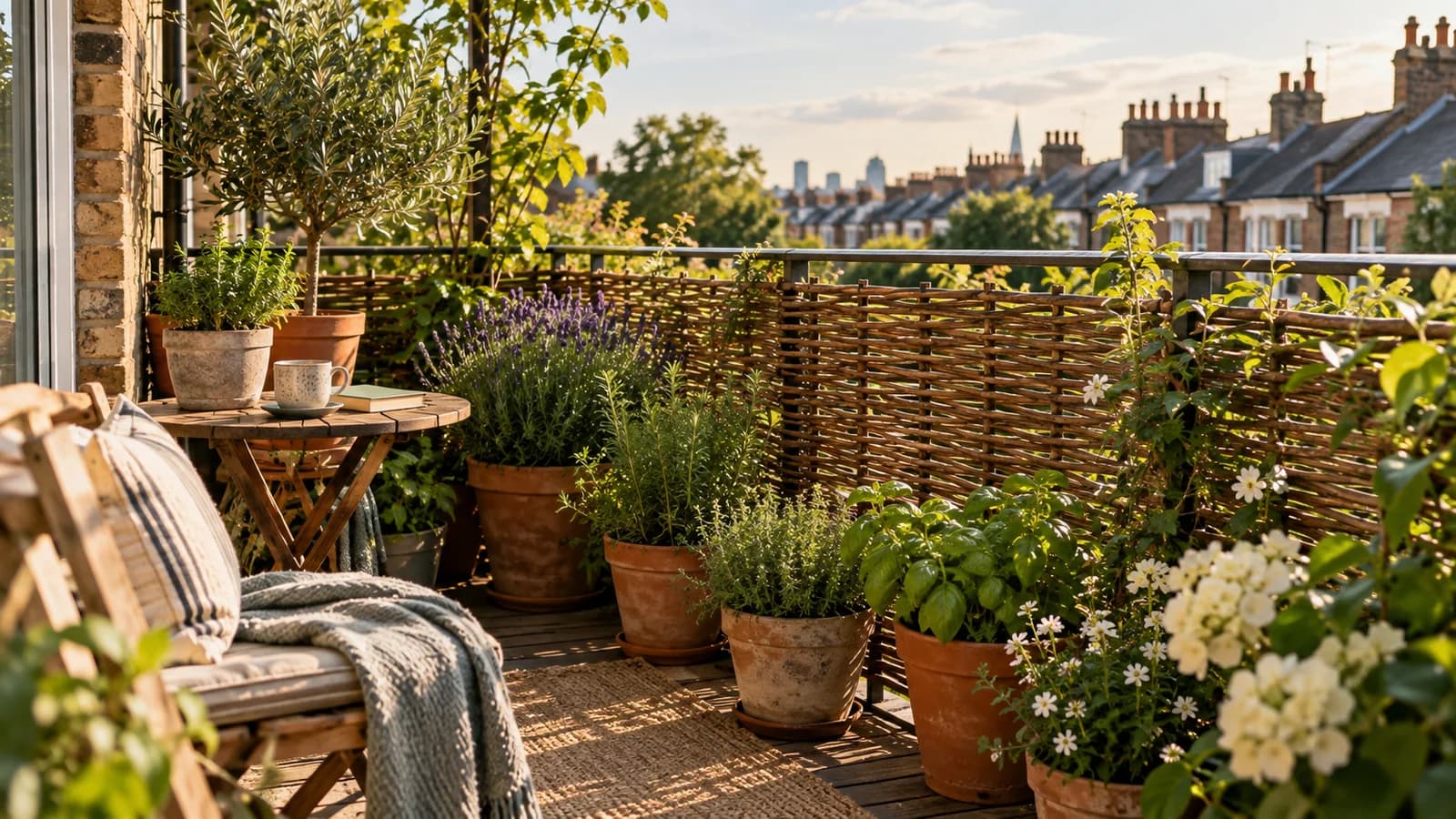
Balcony Wind Protection for Plants: A UK Decision Guide
Work out whether moving pots, changing plants or an approved permeable screen is the right response to an exposed balcony.
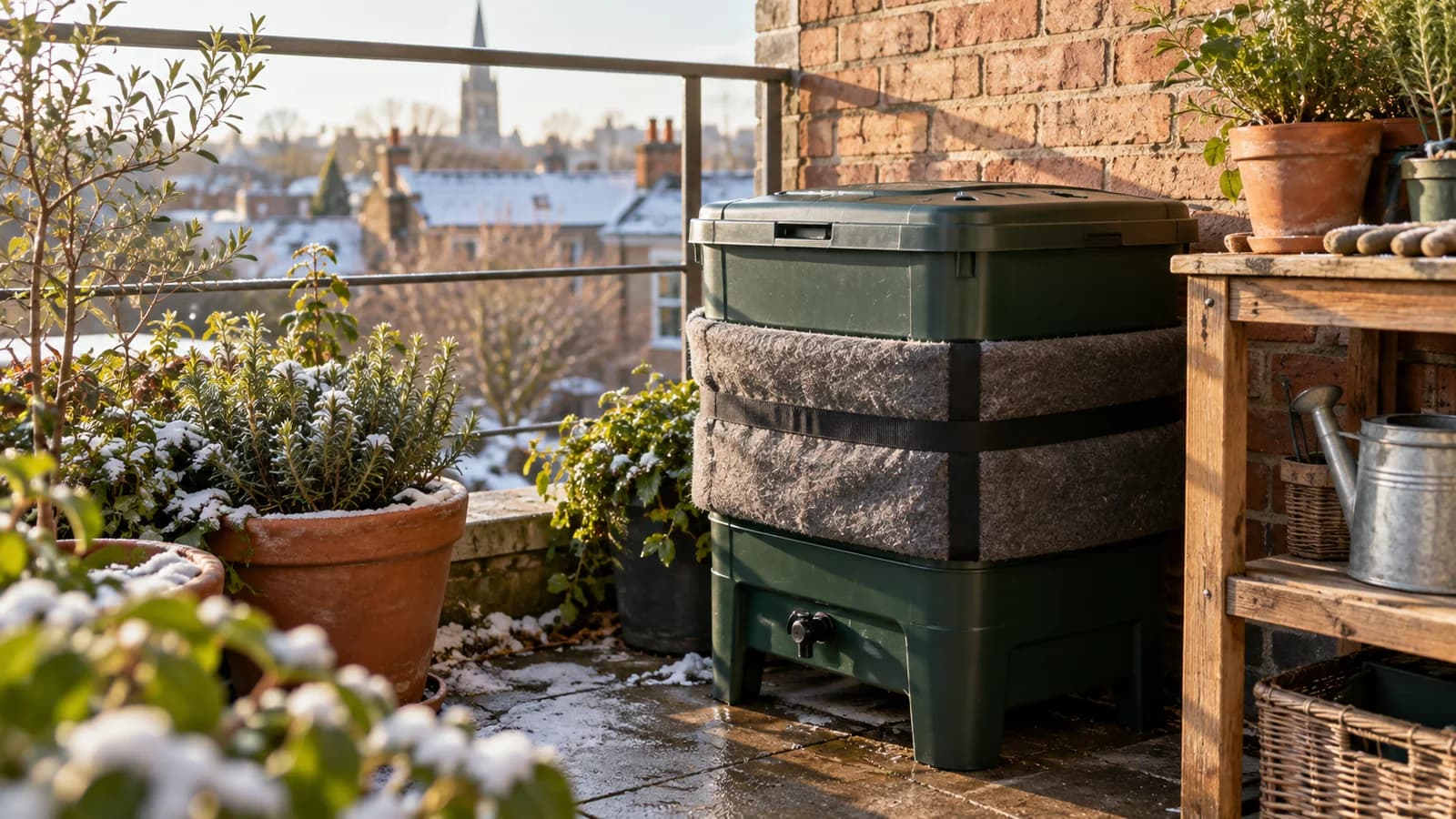
A Balcony Wormery in Winter: Is Your Setup Suitable?
Check shelter, food input, maintenance and a backup waste route before starting or overwintering a wormery in a UK flat.
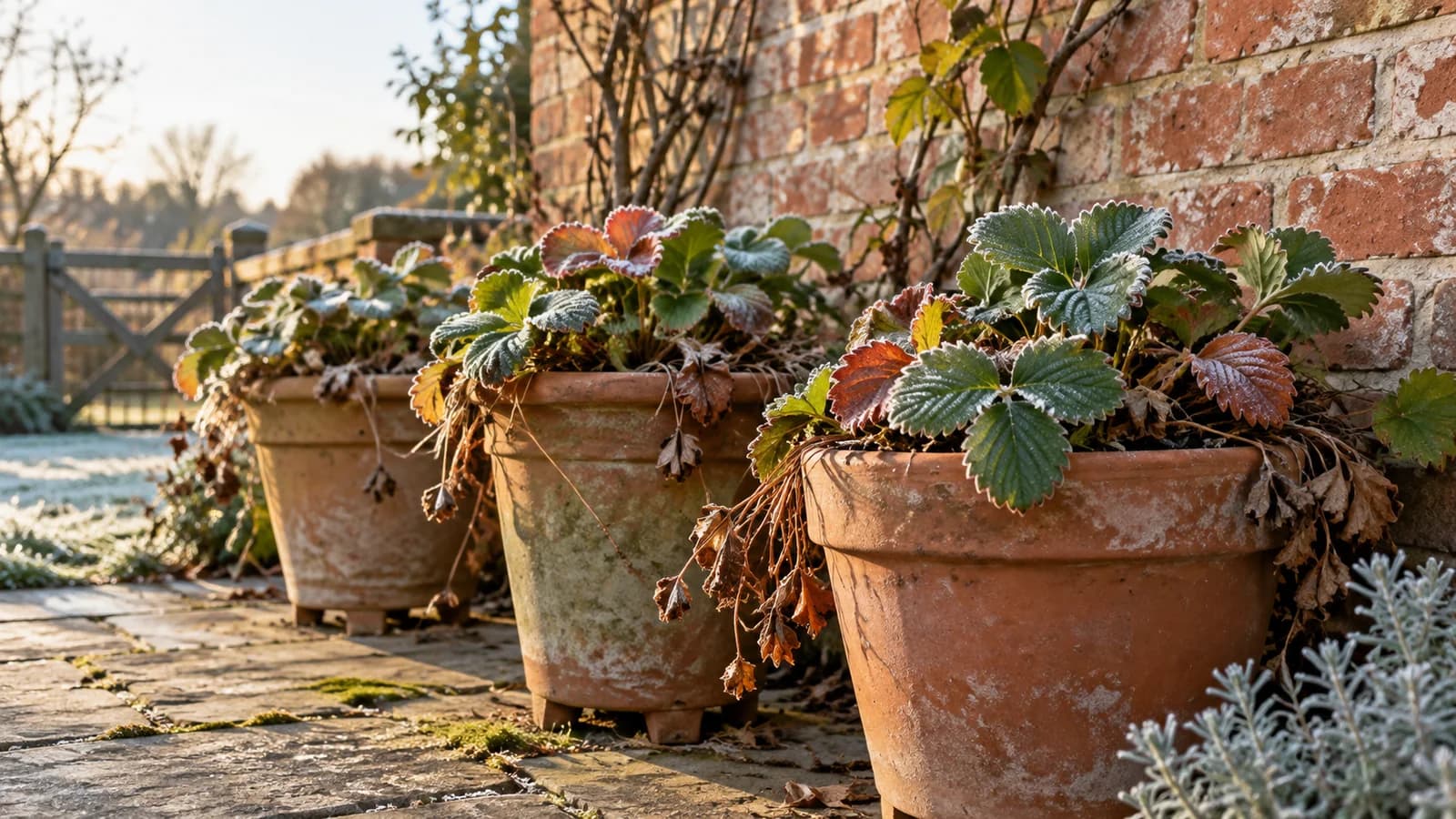
Overwinter Strawberries in Pots: A UK Exposure Checklist
Assess cold, wet and wind around potted strawberries, plan suitable protection and check plants again as spring growth returns.