Energy-Efficient Appliances: What to Look For Before You Buy
Learn how to compare energy-efficient appliances using labels, annual energy use, size, features and lifetime cost before you buy.

Grow Here Editorial
Energy & Efficiency Desk
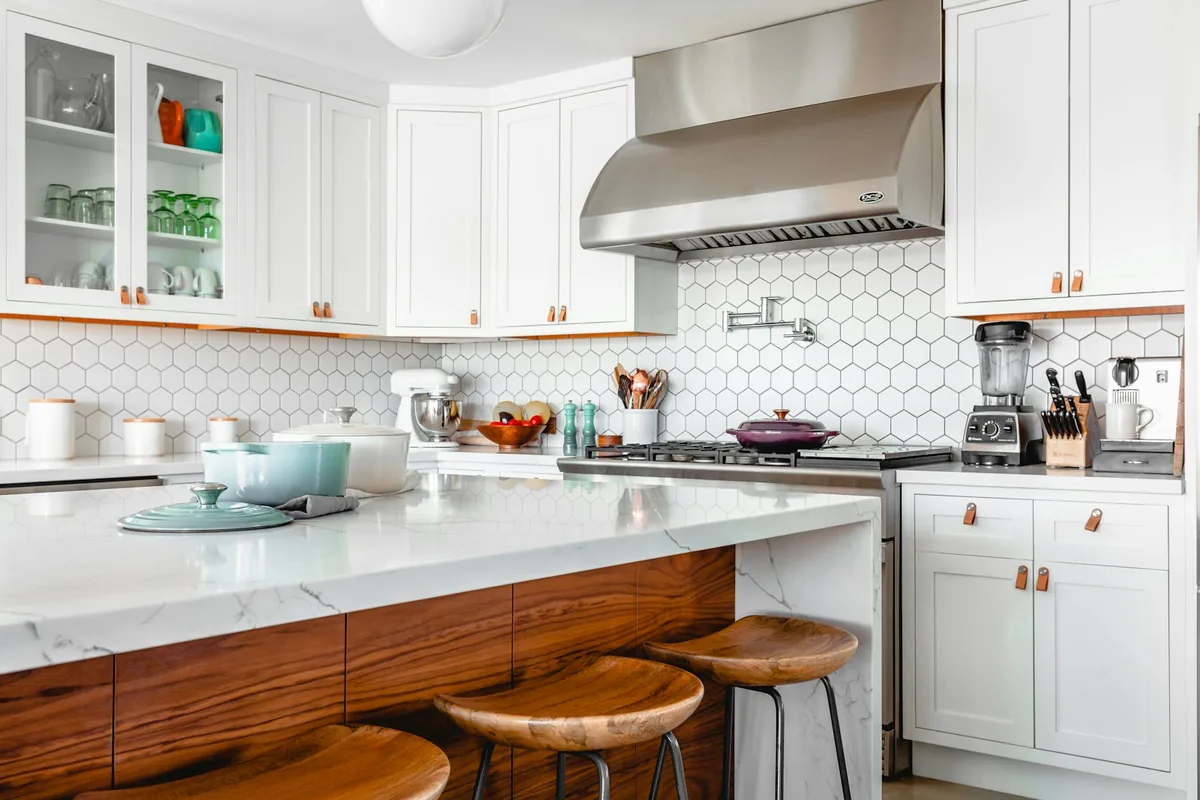
An efficient appliance is not simply the model with the biggest green badge. The right choice fits your household, uses less energy for the required job and does not include oversized features you will rarely use. Energy labels can help, but they must be read in context.
An appliance that costs 15% more upfront but has a superior energy rating often saves several times that price difference over a 10-year lifespan.
Compare annual energy use
Where labels show estimated annual consumption, compare models of similar size and type. A very large efficient refrigerator may still use more electricity than a smaller model that meets your needs.
Use the official label for your country
Energy-rating systems differ by region. Look for the current official label and understand what the scale means. Older labels or screenshots from another country may not be comparable.
Size matters
Buy capacity that matches your household. Oversized fridges, freezers, air conditioners and water heaters can waste energy or cost more than necessary. Undersized equipment can also perform poorly if it runs constantly.
Refrigerators and freezers
These run all day, so efficiency matters. Compare annual kilowatt-hour use, total capacity and features such as ice makers, which can increase energy use. Check whether the layout fits the way you shop.
Washing machines
Look for efficient water and energy use at the loads you actually wash. High-spin speeds can reduce dryer time, but fabric care still matters. Eco cycles are often slower because they trade time for lower energy.
Dishwashers
Efficient dishwashers can use less hot water than hand washing large loads, especially when run full. Compare energy and water use, and check whether the rack layout suits your dishes.
Dryers
Heat-pump dryers can use substantially less electricity than conventional electric resistance dryers, but purchase price and drying time differ. Compare lifetime running cost if you use a dryer frequently.
Air conditioners and heat pumps
Efficiency metrics vary by market, but higher seasonal efficiency generally means less electricity for the same heating or cooling output. Correct sizing and professional installation are essential.
Standby and smart features
Connected features can be useful for scheduling or monitoring, but they are not automatically energy-saving. Check standby consumption and decide whether the feature solves a real problem.
Calculate lifetime cost
Estimate purchase price plus expected energy cost over the years you plan to own the appliance. An efficient model may justify a higher upfront cost if the usage is high and the savings are meaningful.
Maintain what you buy
Cleaning filters, keeping vents clear, checking seals and following maintenance guidance protects efficiency. Even the best appliance performs poorly if it is dirty, blocked or incorrectly installed.
Frequently Asked Questions
Related Guides to Explore
Grow Here Editorial
Energy & Efficiency Desk
Curating practical, evidence-backed advice for greener homes, sustainable systems, and intentional daily living across Grow Here.
Related Stories
Dehumidifier Running Costs: Calculate Your Actual UK Cost
Use measured kWh and your tariff to compare a complete drying session, including time bands and purchase-cost assumptions.
Letterbox Draught-Proofing: Checks Before Fitting a Brush
Check the source of the draught, door permissions, safe closure and ventilation before choosing a letterbox flap or brush.
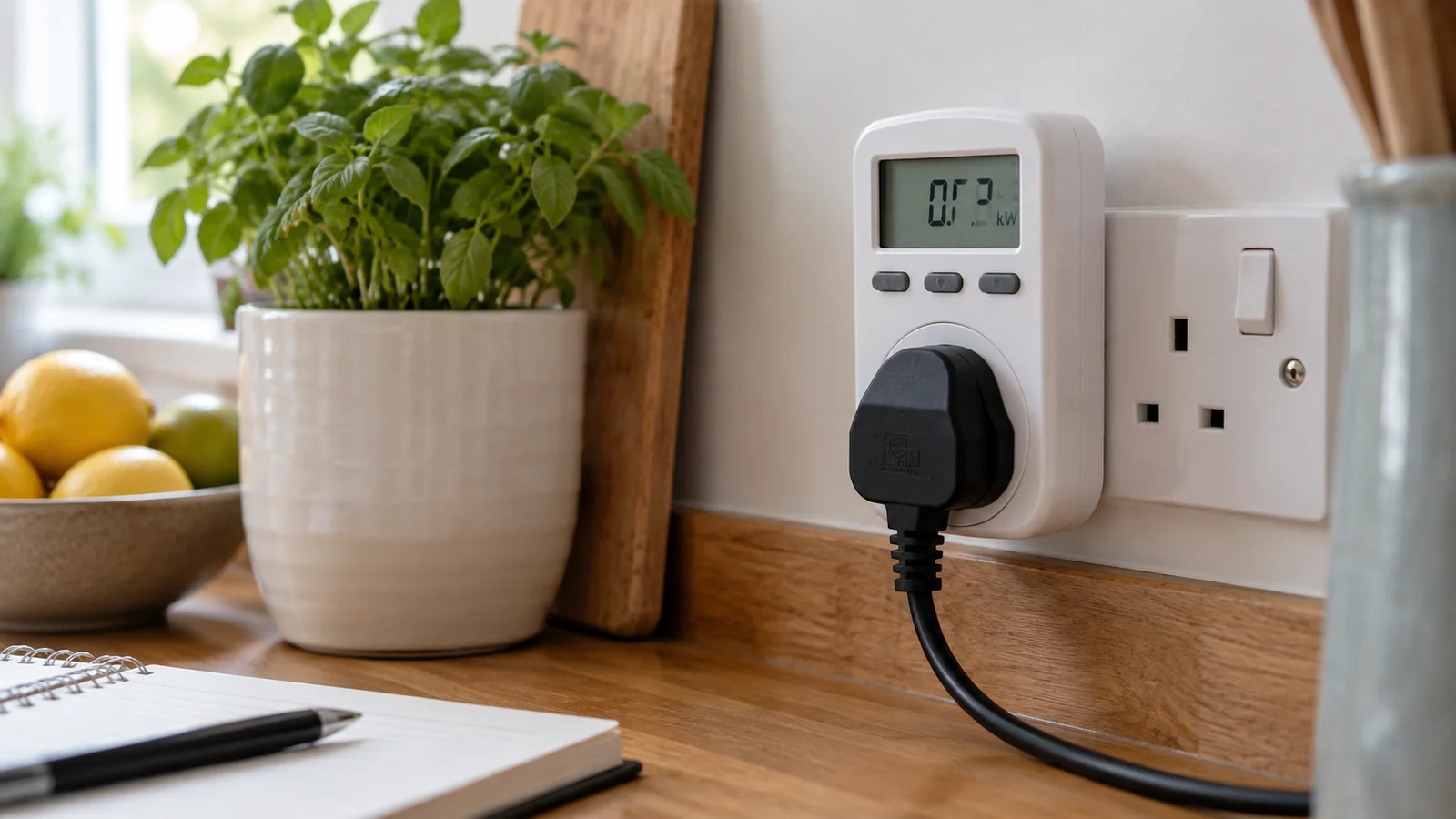
Using a Plug-In Energy Monitor in a Rented Flat
Measure suitable plug-in appliances without altering wiring, then turn kWh readings into useful household decisions.