How to Save Energy at Home: 20 Practical Ways to Cut Waste
Learn how to save energy at home with simple heating, cooling, hot water, lighting, appliance and standby-power changes that reduce waste.

Grow Here Editorial
Energy & Efficiency Desk

The easiest energy savings usually come from reducing waste before buying new equipment. Heating, cooling, hot water and large appliances are often major loads, but the best actions depend on your climate, home and energy tariff. Use the ideas below as a practical checklist and verify local safety requirements.
Standby power from chargers, televisions, and game consoles can account for up to 10% of an electricity bill. Use switched smart strips to cut phantom power easily.
1. Understand your bill
Check how much energy you use, when you use it and whether your tariff changes by time of day. A smart meter or utility portal can make patterns easier to see.
2. Set heating and cooling deliberately
Small thermostat changes can reduce demand. Choose a comfortable setting rather than heating or cooling an empty home. Programmable or smart controls can help automate schedules.
3. Seal obvious air leaks
Drafts around doors and windows make heating and cooling work harder. Weatherstripping and basic sealing can help, but ventilation still matters. Do not block required vents.
4. Use curtains and shading
Close curtains in cold conditions after sunset and use exterior or interior shading to reduce unwanted solar heat in hot weather. The best strategy depends on season and window orientation.
5. Switch to LED lighting
LED bulbs use much less electricity than older incandescent lamps and last longer. Prioritize lights that are used for many hours each day.
6. Turn lights off in empty rooms
This is simple, but it matters most where lighting stays on for long periods. Motion sensors can help in hallways, storage rooms or outdoor areas.
7. Wash clothes at lower temperatures when suitable
Heating water takes energy. Modern detergents often work well at cooler settings, but follow fabric and hygiene guidance for the load.
8. Run full laundry and dishwasher loads
A full, properly loaded machine usually uses energy more efficiently than several partial cycles. Do not overload equipment beyond manufacturer guidance.
9. Air-dry when practical
Dryers can use significant energy. A clothesline or drying rack can save power when climate and indoor humidity allow. Maintain ventilation to avoid damp problems.
10. Reduce unnecessary hot-water use
Shorter showers, efficient showerheads and fixing hot-water leaks can reduce both water and energy use.
11. Check water-heater settings
Water-heater temperature affects energy use and safety. Follow local health guidance and manufacturer recommendations rather than lowering it blindly.
12. Maintain heating and cooling equipment
Clean filters and service equipment as recommended. Restricted airflow can reduce performance and comfort.
13. Use ceiling or portable fans strategically
Fans make people feel cooler but do not cool an empty room. Turn them off when the room is unoccupied unless they serve another purpose such as ventilation.
14. Cook efficiently
Use lids on pots, match pan size to the heating element and use smaller appliances such as a microwave, pressure cooker or air fryer when they are more efficient for the task.
15. Reduce standby power
Chargers, entertainment equipment and older electronics can draw power when idle. Smart power strips or switched outlets can make groups easier to turn off.
16. Improve refrigerator habits
Keep the door seal clean, avoid leaving the door open and allow hot food to cool safely before refrigeration according to food-safety guidance.
17. Choose efficient replacement appliances
When an appliance reaches end of life, compare energy labels and lifetime running costs, not just purchase price.
18. Insulate where it makes sense
Roof, wall, floor and hot-water insulation can reduce heat loss, but the correct approach depends on building type and climate. Poorly planned insulation can create moisture problems.
19. Consider heat pumps or efficient HVAC
High-efficiency heating and cooling can reduce energy use, especially when replacing older systems. Equipment sizing and installation quality matter, so use qualified professionals.
20. Consider solar after reducing waste
Solar can offset purchased electricity where the roof, climate, tariffs and regulations are suitable. Improving efficiency first can reduce the system size you need.
Frequently Asked Questions
Related Guides to Explore
Grow Here Editorial
Energy & Efficiency Desk
Curating practical, evidence-backed advice for greener homes, sustainable systems, and intentional daily living across Grow Here.
Related Stories
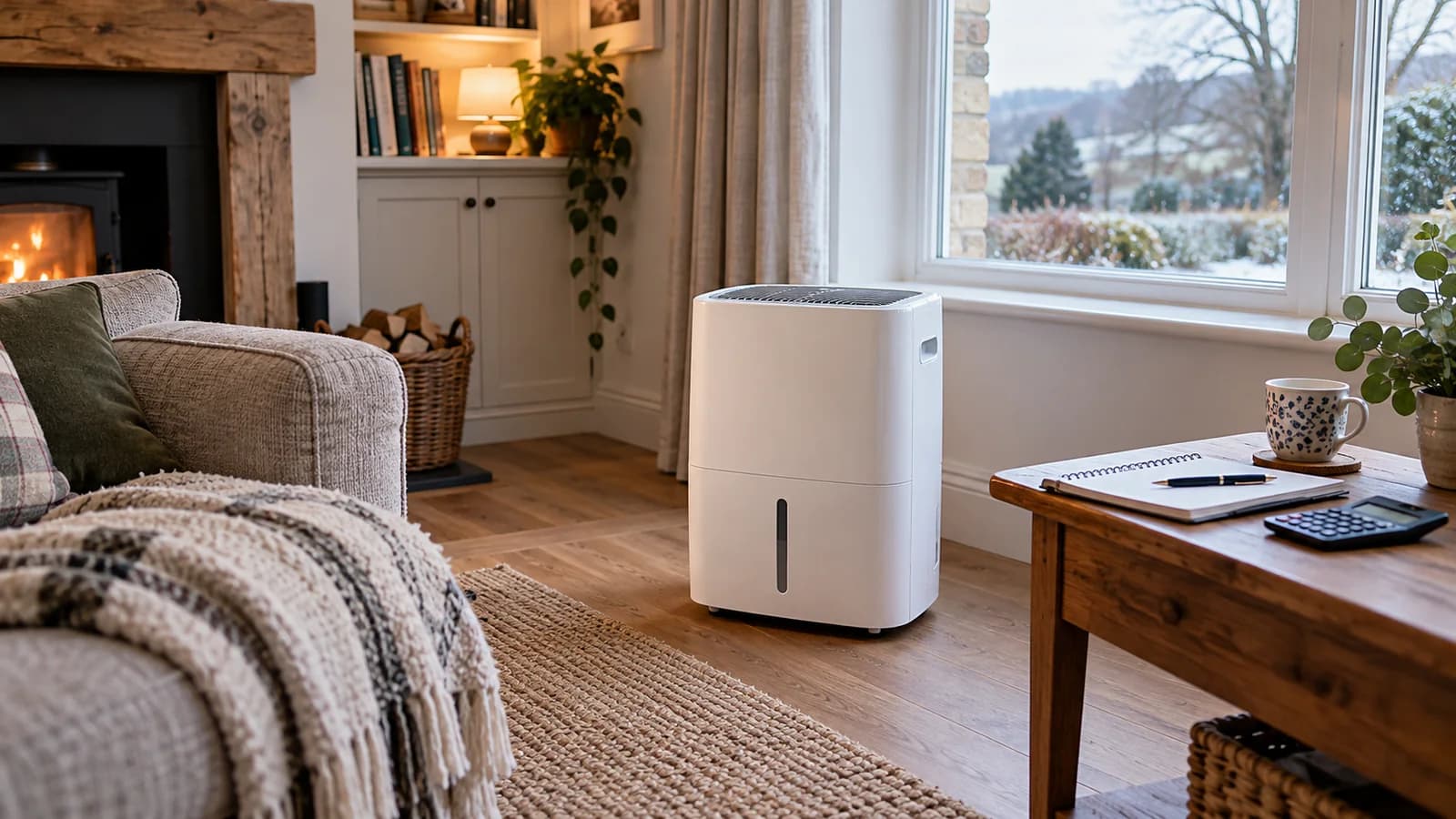
Dehumidifier Running Costs: Calculate Your Actual UK Cost
Use measured kWh and your tariff to compare a complete drying session, including time bands and purchase-cost assumptions.
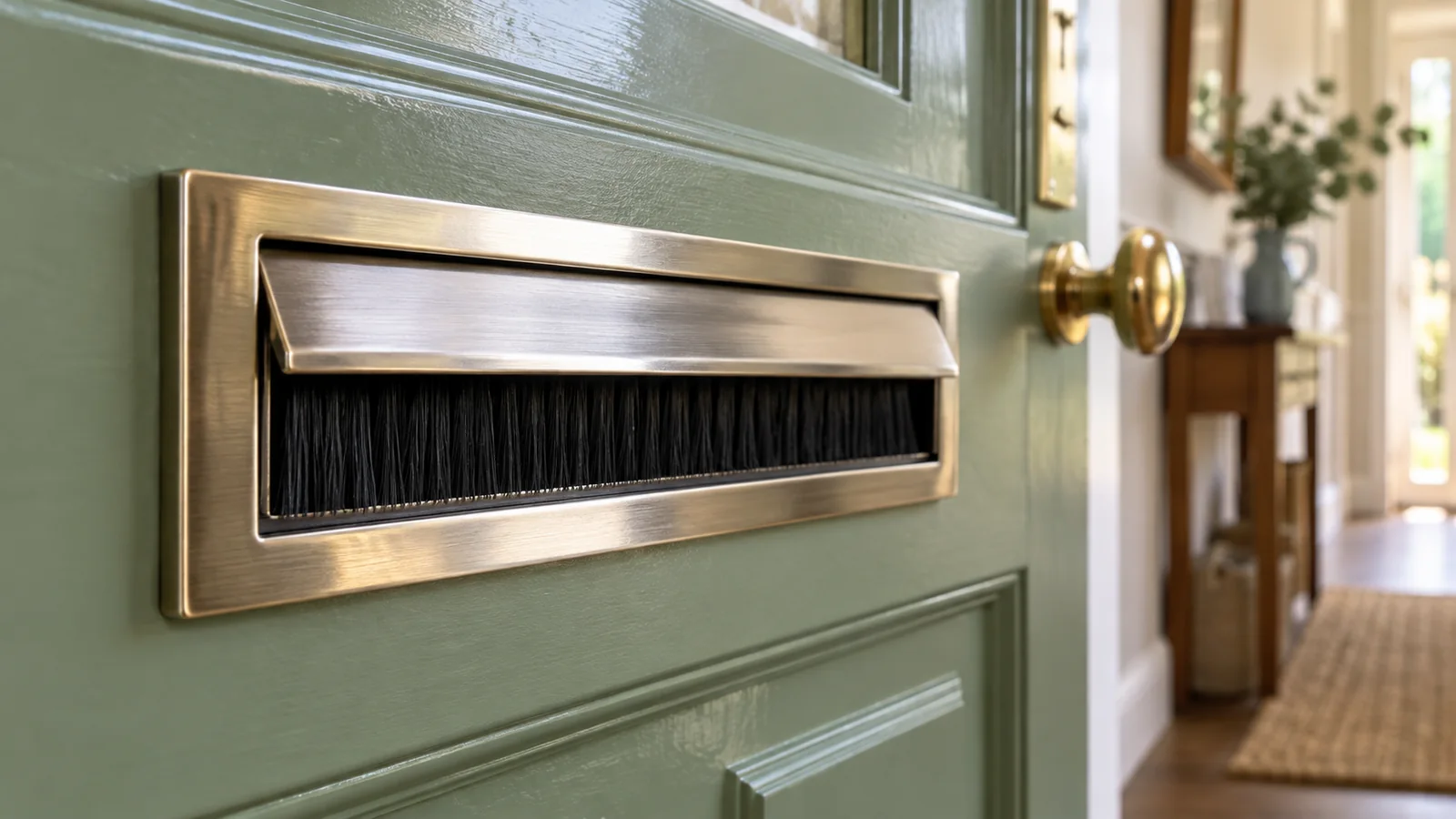
Letterbox Draught-Proofing: Checks Before Fitting a Brush
Check the source of the draught, door permissions, safe closure and ventilation before choosing a letterbox flap or brush.
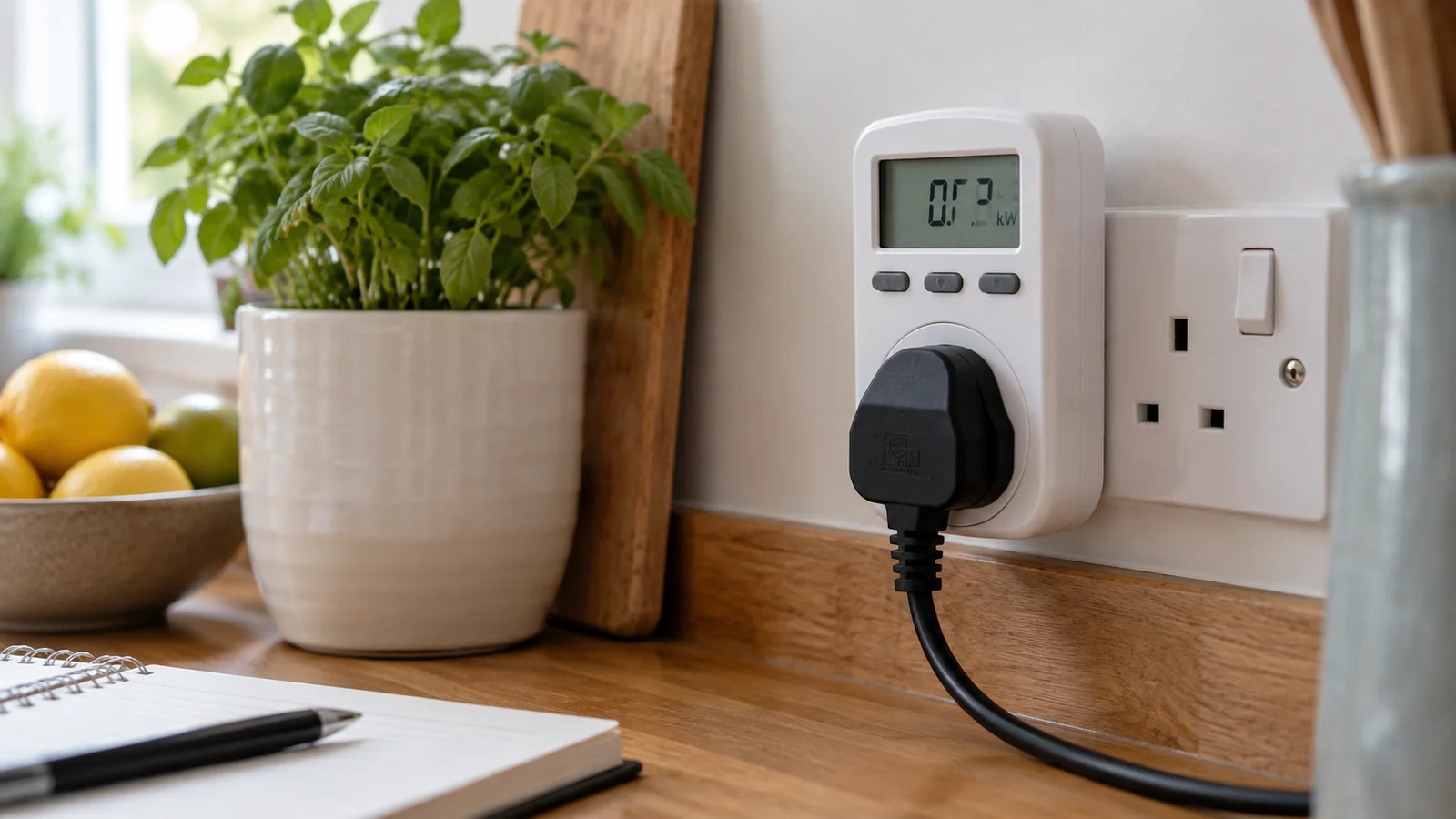
Using a Plug-In Energy Monitor in a Rented Flat
Measure suitable plug-in appliances without altering wiring, then turn kWh readings into useful household decisions.