Small Apartment Organization Ideas That Actually Work
Use these practical small apartment organization ideas to reduce clutter, create storage and make daily routines easier without renovating.

Grow Here Editorial
Home & Spaces Desk
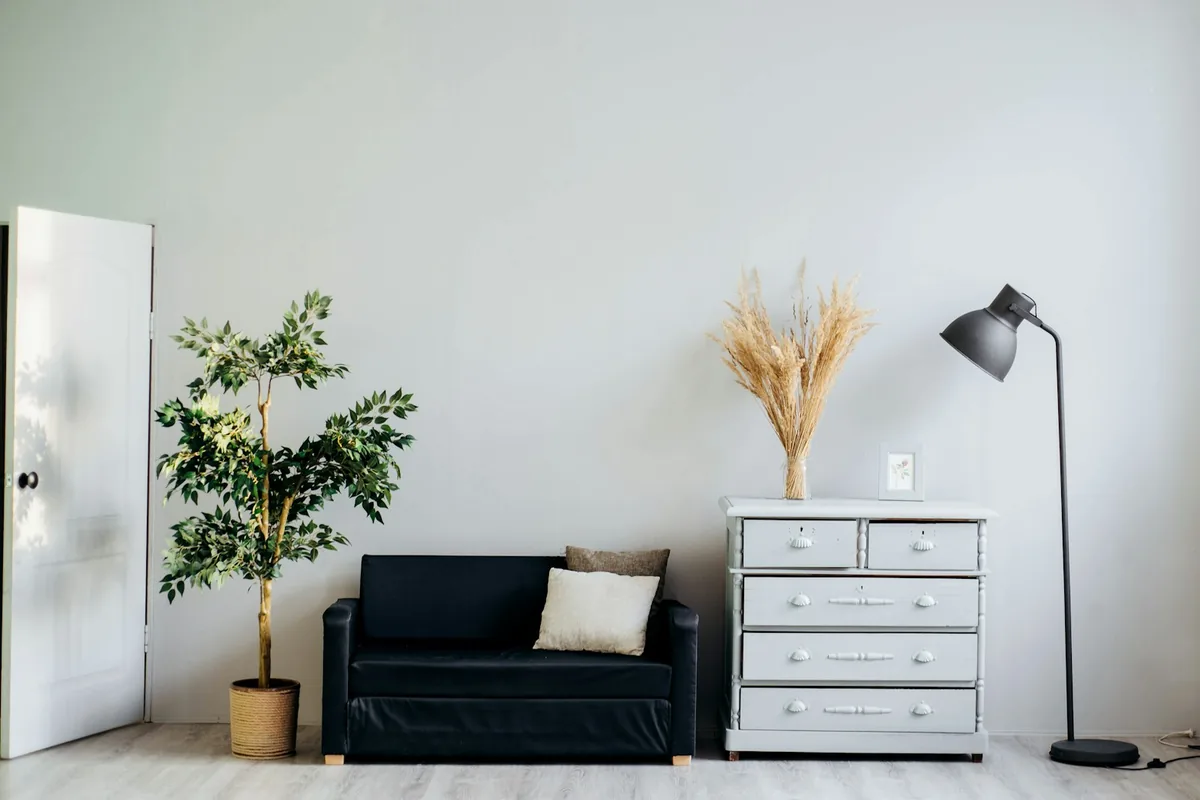
A small apartment does not need to look empty to feel organized. The real goal is to make frequently used items easy to reach and give everything else a clear home. The best systems use the space you already have, reduce duplicate belongings and make putting things away almost automatic.
To keep small spaces feeling uncluttered, adopt a one-in, one-out rule for non-consumable items like clothing, decor, and kitchen utensils.
Start with the pressure points
Do not reorganize the entire apartment at once. Identify the places that create daily frustration: the entryway, kitchen counter, wardrobe, bathroom or desk. Fixing one high-use area gives you a visible result and teaches you what type of storage you actually need.
Declutter before buying organizers
Storage products can hide clutter without solving it. Remove obvious rubbish, duplicates, broken items and things you no longer use. Then measure what remains. Buying storage after decluttering usually means you need fewer containers and can choose better sizes.
Use vertical space
Tall shelving, wall hooks and over-door storage make use of areas that are often empty. Keep frequently used items within easy reach and lighter, less-used items higher up. Secure tall furniture properly where required.
Create a landing zone
Give keys, bags, shoes and mail a fixed place near the entrance. A small tray, wall hooks and a narrow shoe solution can prevent these items from spreading across the apartment. The easier the drop zone is to use, the more likely it will stay organized.
Choose furniture with more than one job
A storage ottoman, bed with drawers, bench with hidden storage or desk that doubles as a dining surface can reduce the need for extra furniture. Multi-purpose pieces are most useful when both functions are genuinely needed.
Keep surfaces intentionally limited
A clear surface is easier to clean and makes a small room feel calmer. Decide what is allowed to live permanently on the kitchen counter, coffee table and desk. Everything else should have a drawer, shelf, hook or container.
Use zones inside open rooms
Studios and open-plan apartments work better when each activity has a defined area. A rug, shelf, lighting change or furniture position can separate sleeping, working and relaxing without building walls.
Organize by frequency, not category alone
Store everyday items where you use them. Keep occasional items higher, deeper or under the bed. This reduces unnecessary movement and helps the apartment stay tidy because the easiest storage locations are reserved for the things you reach for most.
Leave some storage empty
Do not pack every shelf completely. A small amount of open space makes it easier to put things back and gives new items somewhere to go. Overfilled storage turns every small purchase into a new organization problem.
Use a 10-minute reset
At the end of the day, return obvious items to their homes, clear one surface and prepare the entryway or kitchen for the morning. A short reset is easier to repeat than a weekly cleaning marathon.
Frequently Asked Questions
Related Guides to Explore
Grow Here Editorial
Home & Spaces Desk
Curating practical, evidence-backed advice for greener homes, sustainable systems, and intentional daily living across Grow Here.
Related Stories
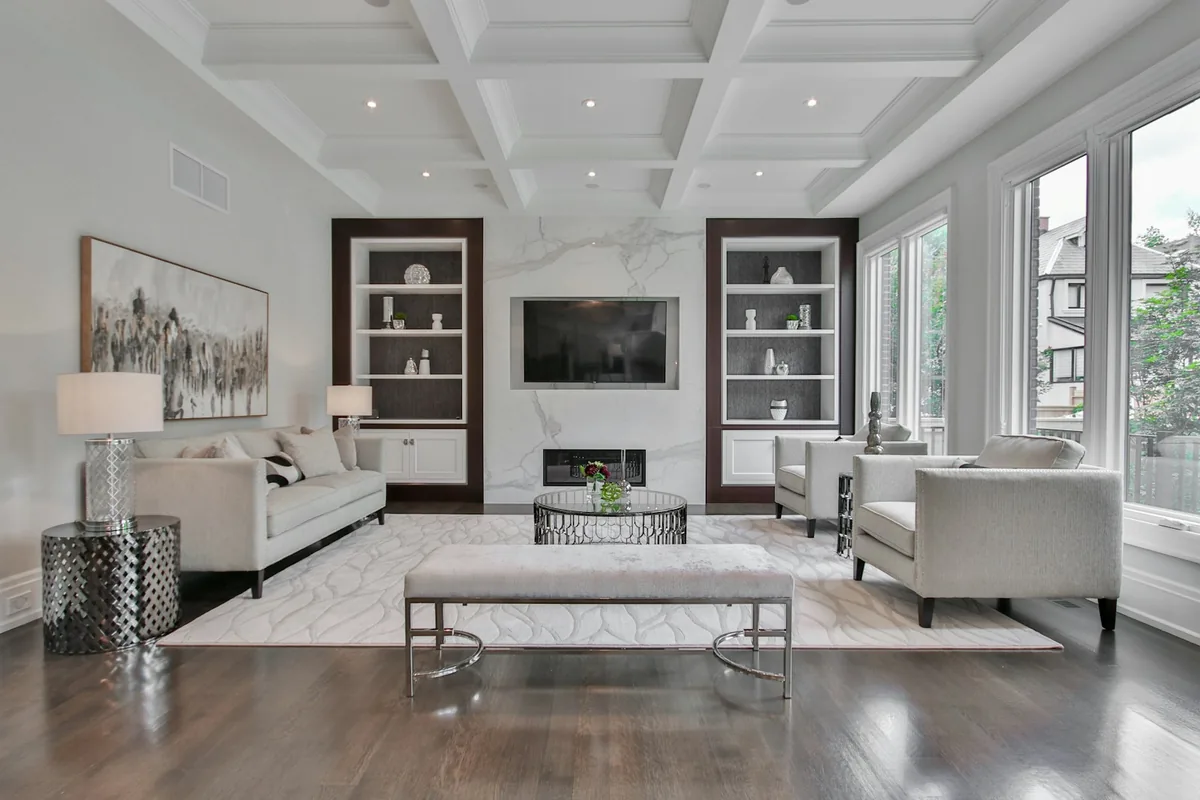
The 80/20 Decluttering Method: A Simple Way to Keep Storage Under Control
Learn the 80/20 decluttering method: use about 80% of a storage area and leave 20% open so shelves, drawers and closets stay easier to manage.
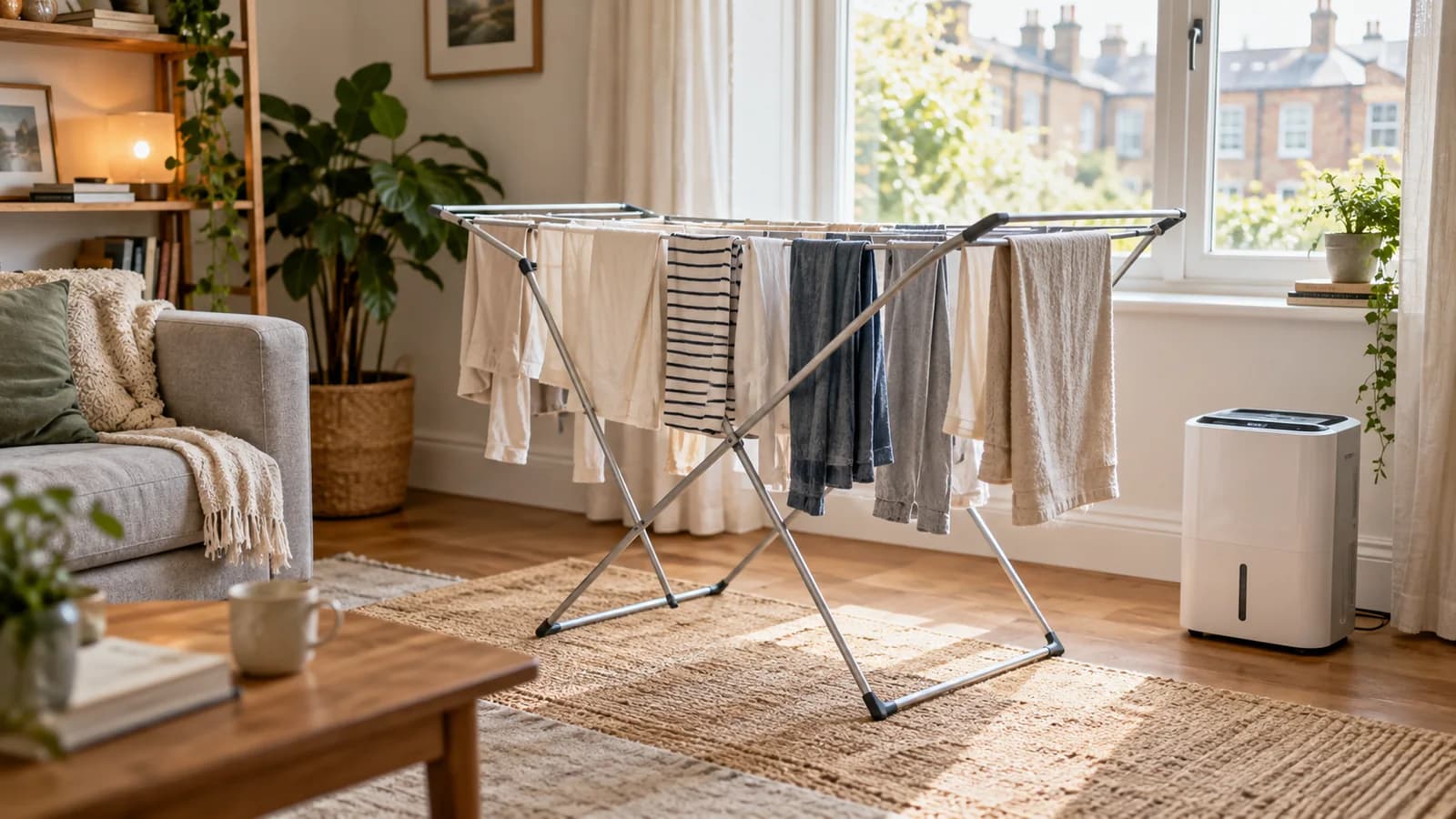
Drying Laundry in a Small Flat: A Winter Setup Guide
Choose a workable drying space by checking extraction, access, fabric care and repeat condensation before buying another appliance.
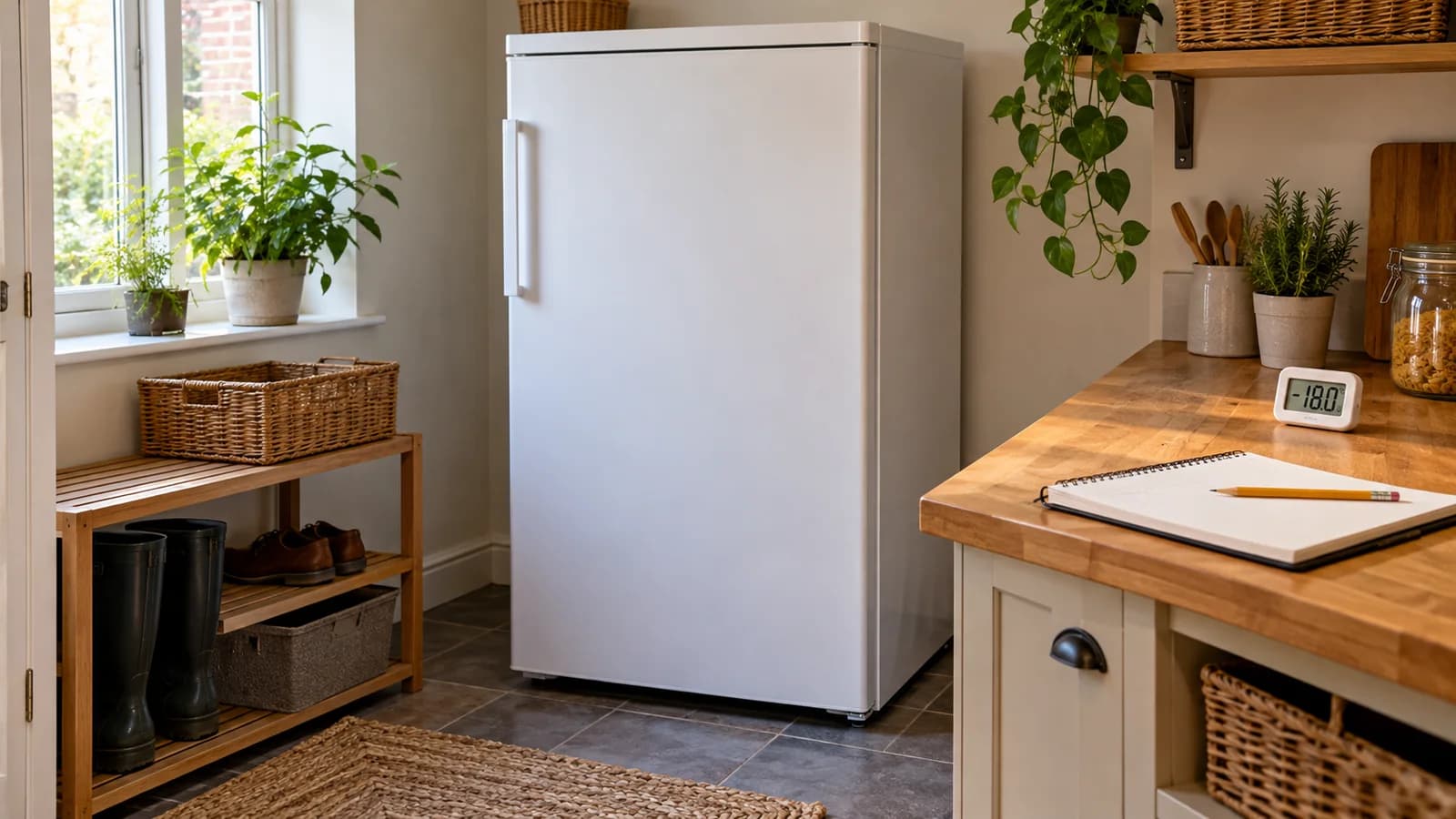
Freezer Inventory and Power-Cut Plan for UK Homes
Create an inventory you can read without opening the freezer, record an outage and find the right food-safety advice before deciding what to keep.