Vertical Storage Ideas for Small Homes: 15 Ways to Use Your Walls
Use walls, doors and tall furniture to create vertical storage in small homes without sacrificing valuable floor space.

Grow Here Editorial
Home & Spaces Desk
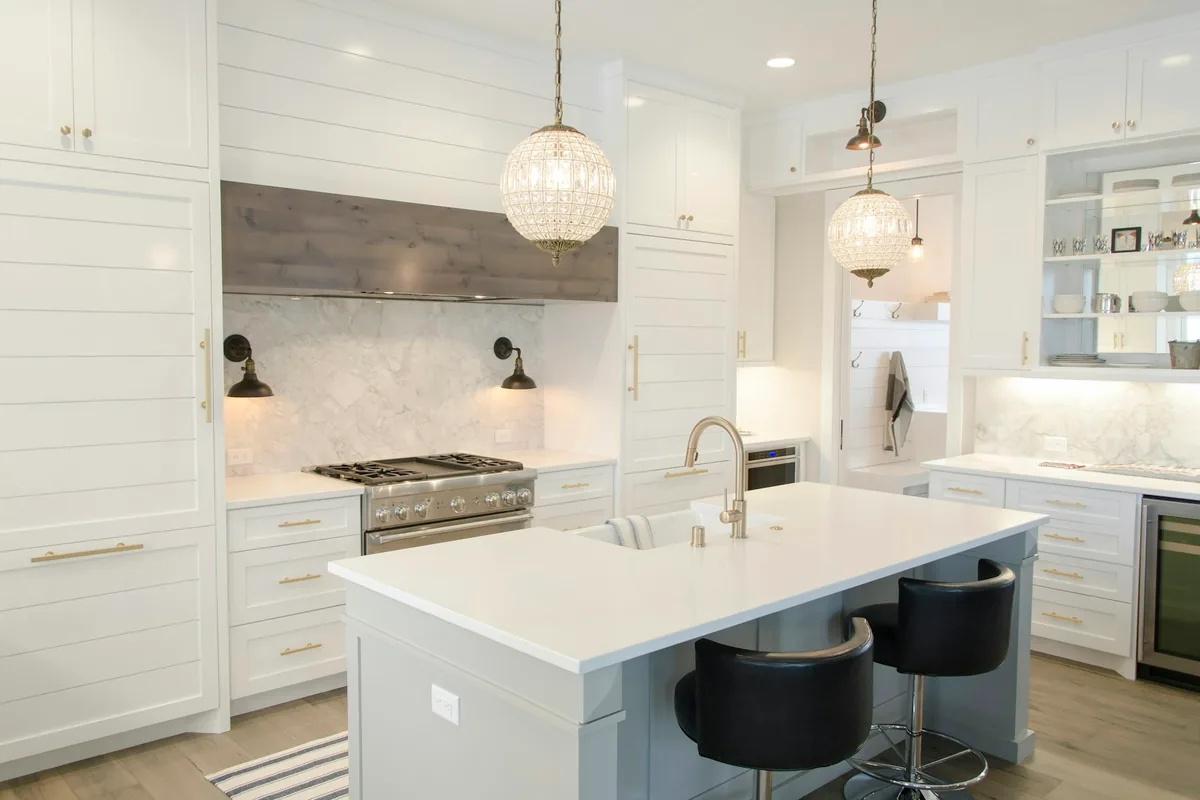
When floor space is limited, look up. Walls, doors and the upper parts of rooms can hold useful storage without making the home feel crowded. The best vertical storage keeps everyday items reachable and heavier objects safely supported.
Always anchor heavy wall-mounted shelving or tall book units into wall studs or use rated drywall anchors, especially when storing books or ceramic cookware.
1. Tall bookcases
A narrow bookcase that extends upward can store more than a short, wide unit while using less floor area. Place heavy items lower and secure tall furniture to the wall where appropriate.
2. Floating shelves
Floating shelves work well above desks, toilets, counters and low furniture. Use them for light items and avoid installing them where people may hit their heads.
3. Pegboards
Pegboards are flexible because hooks and small shelves can move as your needs change. They work in kitchens, craft corners, utility areas and home offices.
4. Wall rails with hooks
A simple rail can hold utensils, bags, tools or cleaning supplies. Keep the arrangement edited so the wall remains functional rather than visually chaotic.
5. Over-door organizers
The back of a door can hold shoes, toiletries, pantry items or accessories. Choose an organizer that does not stop the door from closing properly.
6. High shelves for occasional items
The space above wardrobes and doors is useful for luggage, seasonal items and lightweight storage boxes. Label containers so you do not have to open several to find one thing.
7. Slim vertical cabinets
A tall, shallow cabinet can fit between furniture or in narrow utility spaces. Measure door clearance and walking space before buying.
8. Magnetic storage
In suitable kitchens or work areas, magnetic strips can hold metal tools and keep drawers clearer. Install them securely and keep sharp objects out of children's reach.
9. Hanging baskets
Wall or ceiling-mounted baskets can store lightweight produce, towels or accessories. Avoid hanging them where swinging items could become a hazard.
10. Ladder shelves
A leaning or freestanding ladder-style shelf provides several levels of storage with a light visual footprint. Choose a stable design and do not overload the upper shelves.
11. Corner shelves
Corners are often underused. Small triangular shelves can hold plants, books or bathroom items without taking over the room.
12. Bedside wall shelves
A small wall-mounted shelf can replace a bedside table in a tight bedroom. It can hold a phone, book, lamp or glass without using floor space.
13. Vertical file storage
Magazine files and upright document holders reduce piles on desks. Label them by action, project or category so paper does not simply move from one stack to another.
14. Wall-mounted drying or laundry solutions
Fold-down drying racks and wall-mounted laundry organizers can free floor space in small utility areas. Install them into suitable supports and respect weight limits.
15. Plant walls and hanging planters
For lightweight houseplants, wall planters or hanging pots can add greenery without using tables. Make sure water cannot damage walls or flooring and use secure fixings.
Safety comes first
Wall materials, fixings and weight limits differ. If you are uncertain about mounting something heavy, use appropriate hardware or ask a qualified person. Renters should also check tenancy rules before drilling.
Frequently Asked Questions
Related Guides to Explore
Grow Here Editorial
Home & Spaces Desk
Curating practical, evidence-backed advice for greener homes, sustainable systems, and intentional daily living across Grow Here.
Related Stories
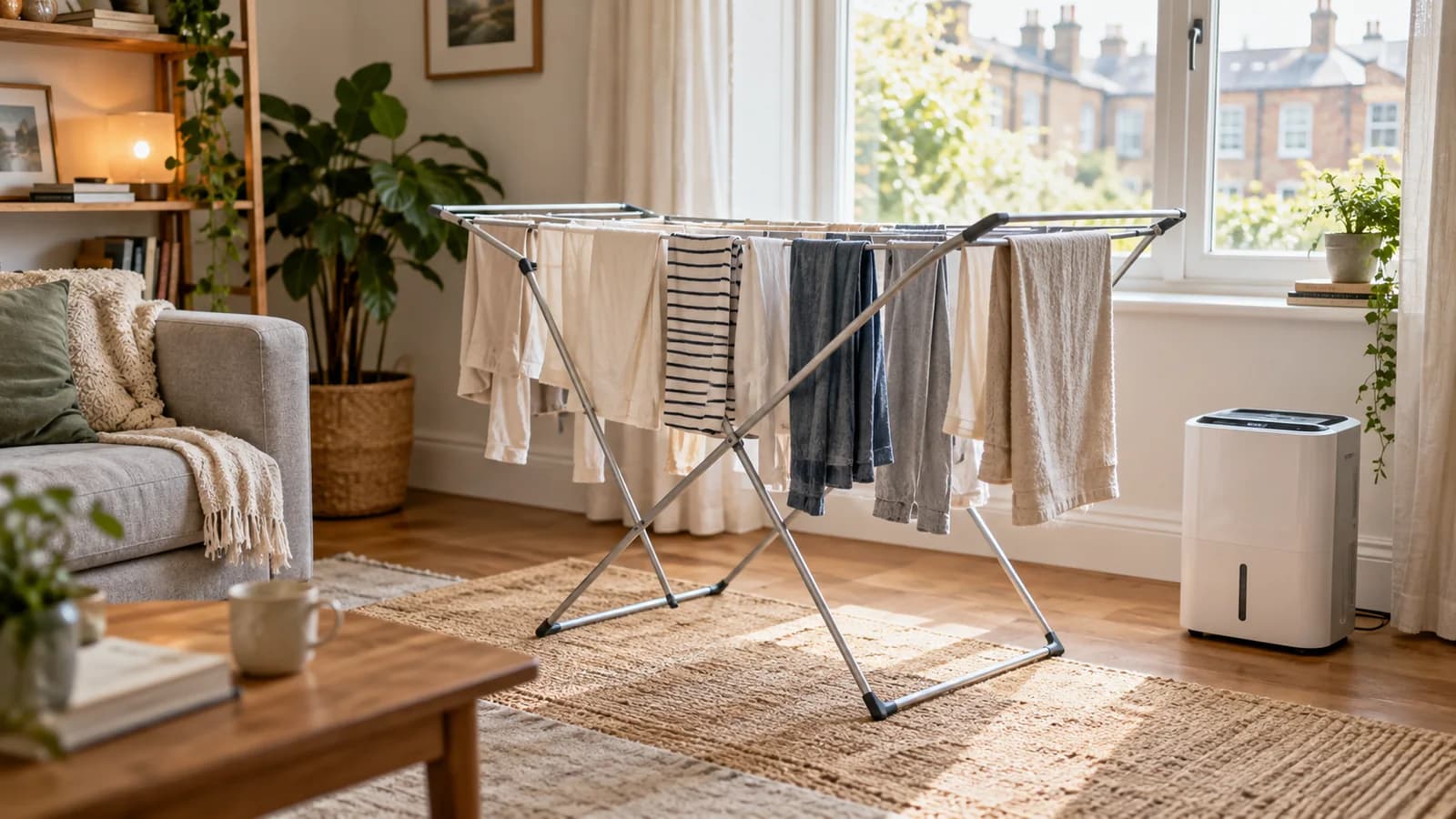
Drying Laundry in a Small Flat: A Winter Setup Guide
Choose a workable drying space by checking extraction, access, fabric care and repeat condensation before buying another appliance.
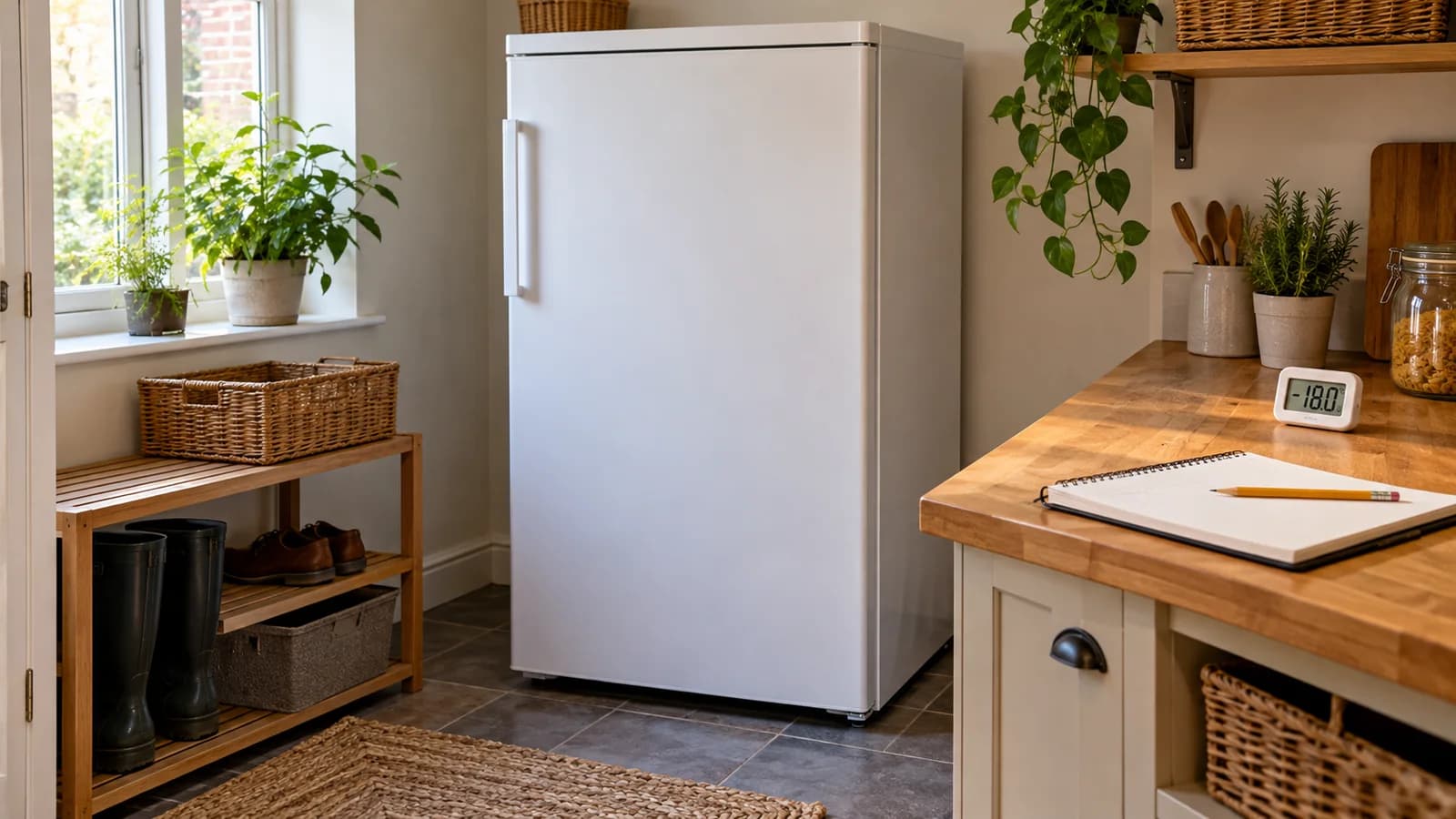
Freezer Inventory and Power-Cut Plan for UK Homes
Create an inventory you can read without opening the freezer, record an outage and find the right food-safety advice before deciding what to keep.
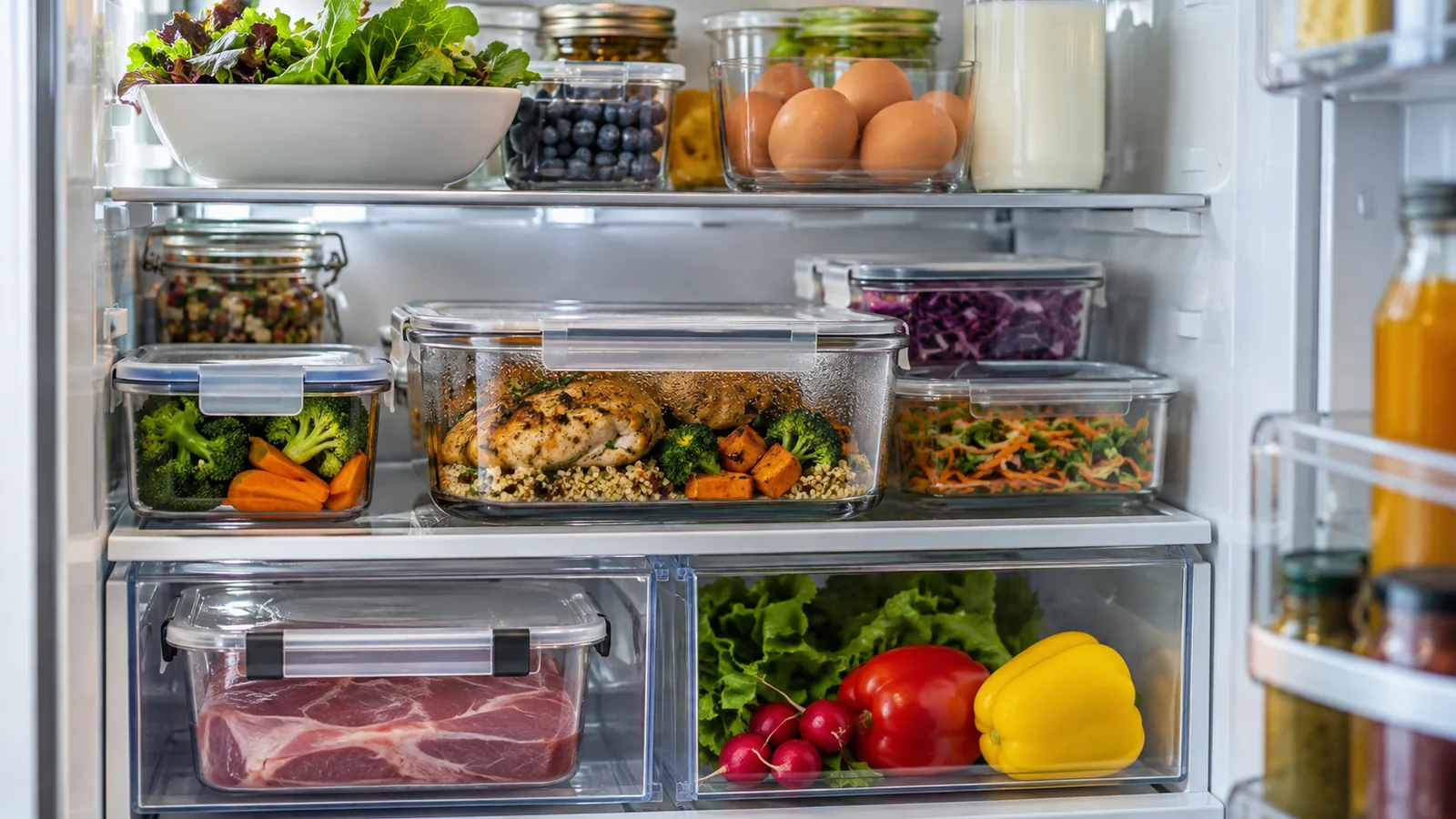
An Eat-First Box for Your Fridge: Reduce Waste Safely
Build a small priority zone without losing use-by dates, opening instructions or separation between raw and ready-to-eat foods.