Freezer Inventory and Power-Cut Plan for UK Homes
Create an inventory you can read without opening the freezer, record an outage and find the right food-safety advice before deciding what to keep.

Grow Here Editorial
Editorial Team
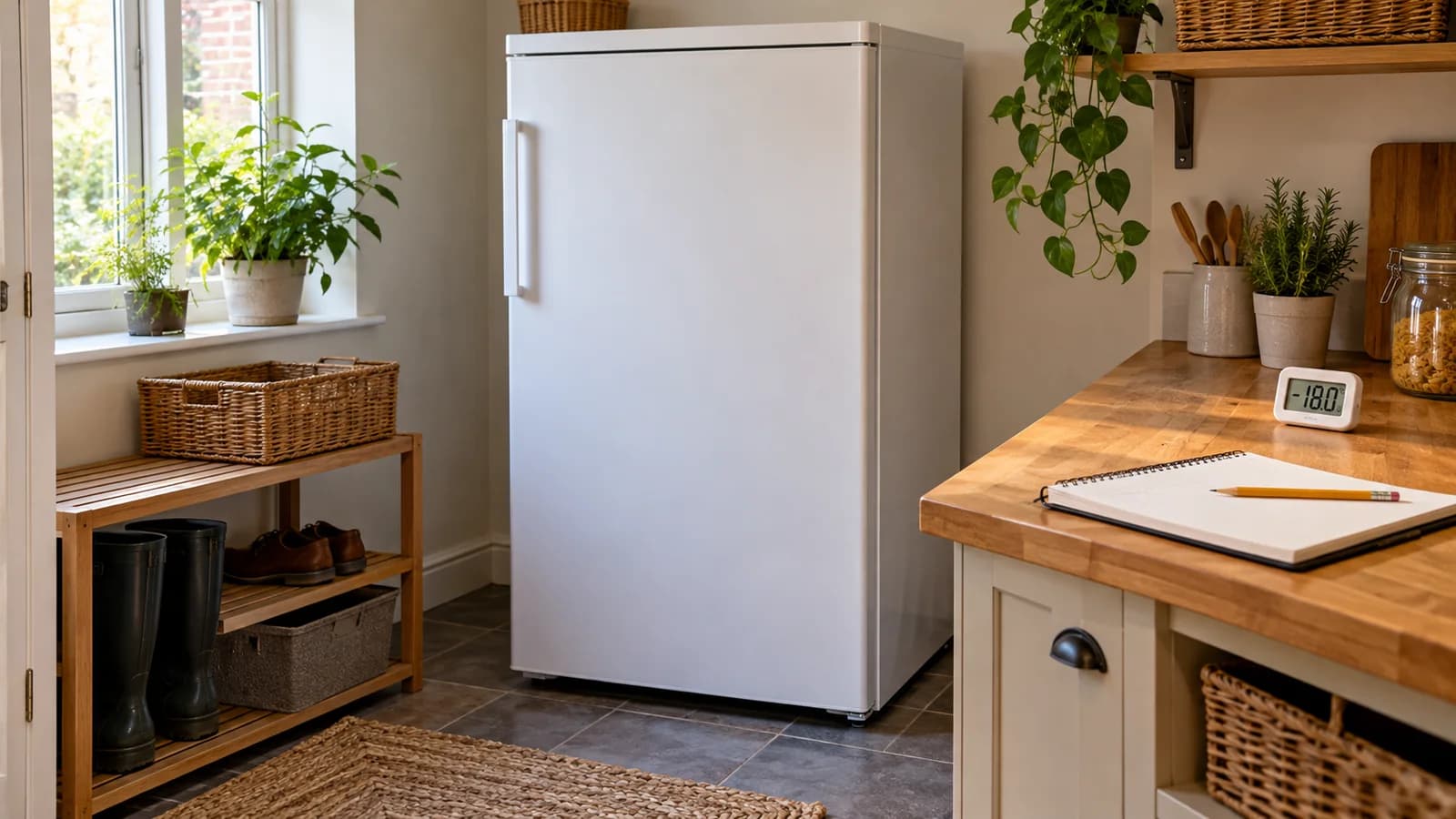
Keep a freezer inventory outside the appliance and prepare an outage record before you need it. During a power cut, minimise door opening and use official food-safety guidance rather than judging food by touch or smell. An inventory helps you know what is inside; it cannot establish whether food has stayed safe.
This guide combines routine organisation with preparation for an interruption. It does not offer a blanket keep-or-discard rule for food with an unknown temperature history.
Build an inventory that survives a flat battery
Use paper on the appliance or keep a printed copy of a digital list. Include drawer or shelf, food description, portions, freezing date, relevant label instructions and whether the item is raw or cooked. Preserve allergen details and identify homemade meals clearly.
Give each drawer a simple code. “D2: two portions lentil stew” is easier to find than a vague entry saying “leftovers”. Update the count when taking food out, not after the meal when you may forget.
Our small-kitchen guide can help protect access to drawers and sockets. Keep the inventory readable without moving the appliance.
Prepare a short outage card
Write down the appliance model, where its manual is stored, and how to find current official advice. Record your usual temperature checks according to the appliance instructions. Keep a torch accessible without burying it in a drawer behind the freezer.
The FSA power-cut guidance says to keep fridge and freezer doors closed as much as possible. It gives estimates of up to 48 hours for a full freezer and 24 hours for a half-full one, but stresses that conditions and appliances vary. These are not guarantees that every item remains safe for that time.
The publication applies to England, Wales and Northern Ireland. In Scotland, use Food Standards Scotland for relevant advice as well as the appliance instructions.
During an interruption, record rather than repeatedly inspect
Note when you first noticed the outage and whether the true start time is known. Record any reliable temperature information already available and whether the door was opened. Avoid opening it merely to complete the inventory: that preparation should already exist outside.
Do not bring barbecues or outdoor cooking equipment indoors to use thawing supplies. Use only equipment appropriate for the location and follow its safety instructions.
When power returns, note the time. Do not erase the outage record because the display has returned to its normal temperature. A later reading cannot reconstruct everything that happened earlier.
Separate three decisions
What is inside?
The inventory answers this. It also identifies ingredients needing preparation rather than ready-to-eat meals.
What happened to it?
Use the best available duration, door-opening and temperature information. Mark unknowns explicitly. A warm room, an uncertain start and repeated opening make a simple time estimate less useful.
What should happen next?
Apply official guidance to the actual circumstances. Seek food-safety advice when uncertain, particularly for people more vulnerable to illness. Do not refreeze or share questionable food just to avoid waste.
The FSA freezing and defrosting advice explains ordinary safe handling and following product instructions. Outage decisions also require the disruption-specific advice above.
Test the paperwork with a fictional outage
Imagine you arrive home at 18:00 to a power cut that began at an unknown time. Your external list identifies two drawers of ingredients and one of prepared meals. You can record the uncertainty without opening every drawer to investigate its contents.
The list makes planning easier but does not certify those meals as safe. After receiving the relevant safety advice, update counts and record any disposal. If an insurer needs evidence, follow its process without delaying a necessary safety decision.
For a freezer sharing a cramped utility area, apply the access priorities in our small-apartment organisation guide so drawers and controls remain reachable.
Frequently asked questions
Does a full freezer always keep food safe for 48 hours?
No. Official times are estimates affected by conditions and appliance performance.
Can I use smell to decide whether thawed food is safe?
Smell cannot establish safety. Use the storage history and relevant guidance.
Should I open the freezer to take a photograph?
Avoid unnecessary opening. Keep routine inventory photographs or lists before an outage instead.
Is a normal display after power returns enough?
No. It describes the current reading, not the whole interruption.
How detailed should the inventory be?
Enough to identify food, location, portions and relevant instructions without opening multiple drawers.
Prepare while the power is on
Label unclear packages, write a drawer list and keep an outage card nearby. Pair it with an eat-first fridge routine for ordinary shopping decisions. During a disruption, use the record to support safe advice rather than replace it.
Grow Here Editorial
Editorial Team
Curating practical, evidence-backed advice for greener homes, sustainable systems, and intentional daily living across Grow Here.
Related Stories
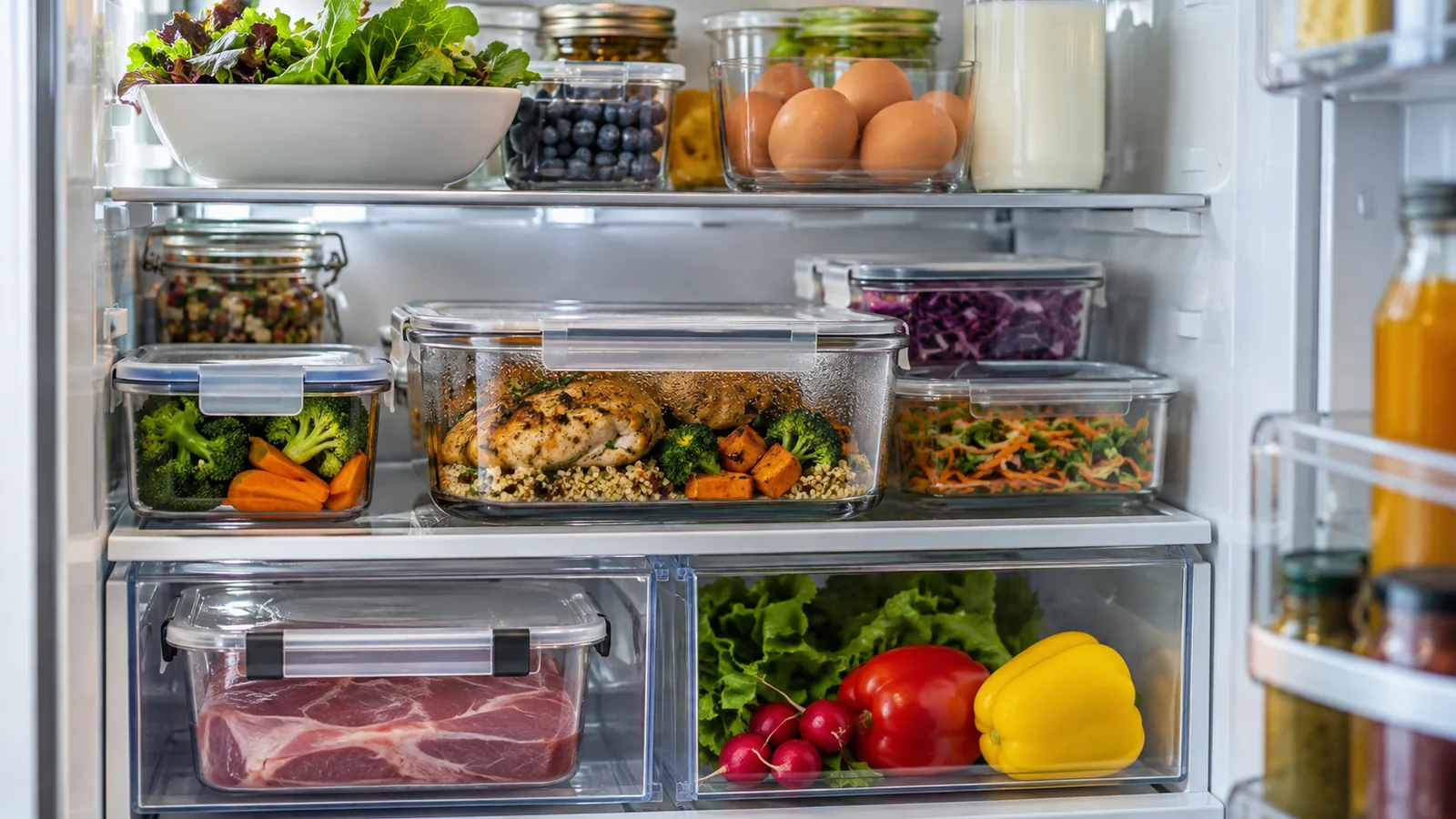
An Eat-First Box for Your Fridge: Reduce Waste Safely
Build a small priority zone without losing use-by dates, opening instructions or separation between raw and ready-to-eat foods.
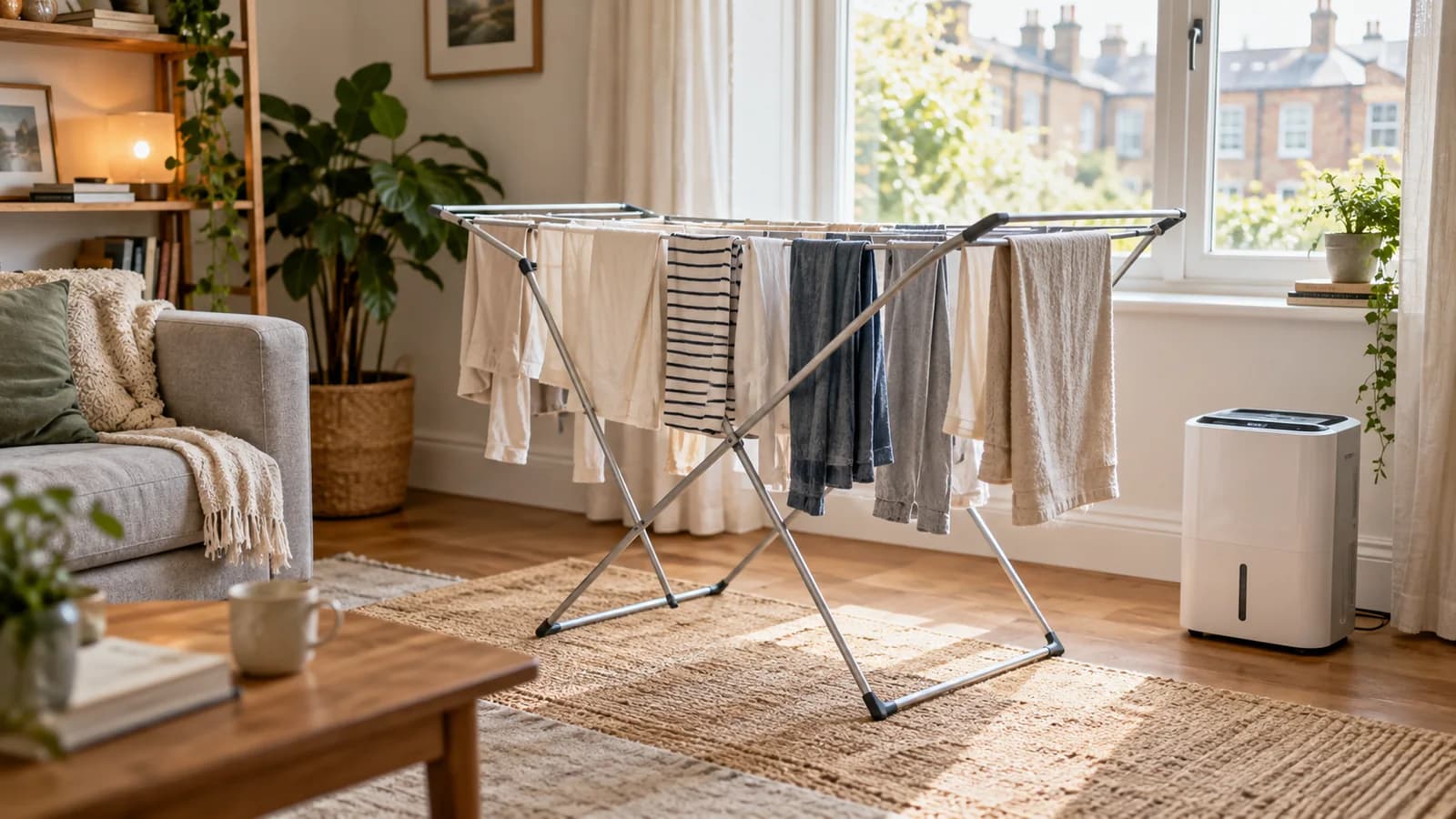
Drying Laundry in a Small Flat: A Winter Setup Guide
Choose a workable drying space by checking extraction, access, fabric care and repeat condensation before buying another appliance.
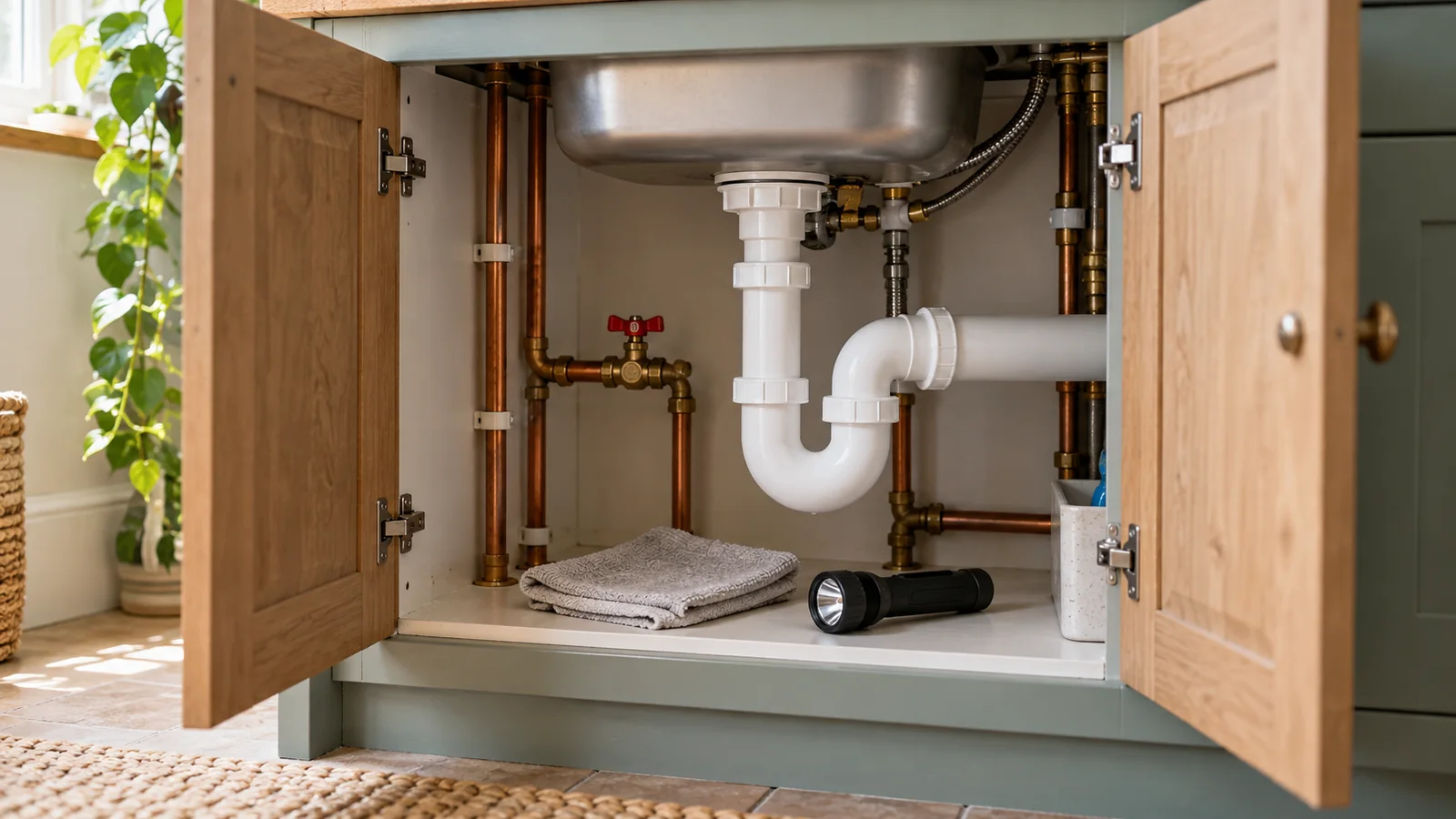
Under-Sink Leak Checks: What to Record Before Reorganising
Inspect accessible cupboard areas without dismantling plumbing, preserve stop-tap access and prepare a clear repair report.