Smart Thermostat Guide: Save Energy Without Sacrificing Comfort
Learn how a smart thermostat can improve heating and cooling schedules, what features matter and how to use it without wasting energy.

Grow Here Editorial
Energy & Efficiency Desk
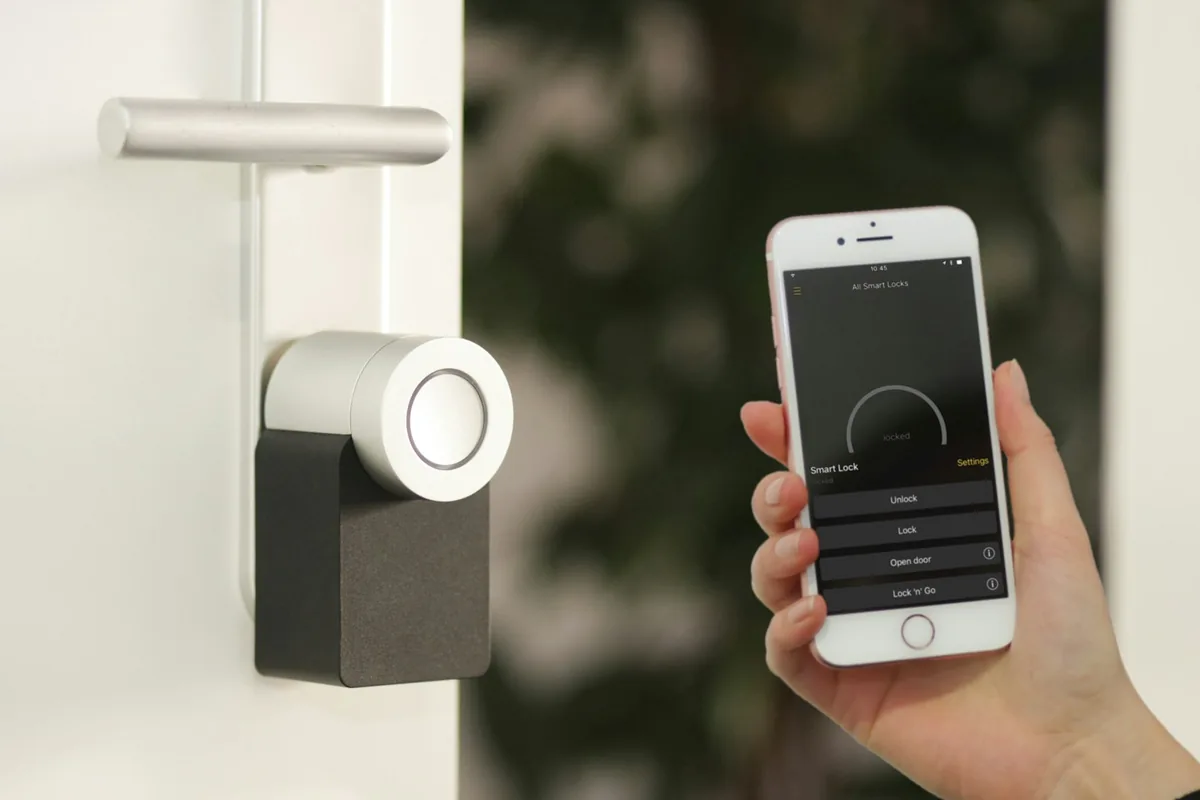
A smart thermostat can make heating and cooling easier to manage, but the device does not save energy by magic. Savings come from better schedules, fewer hours of unnecessary conditioning and settings that match how the home is actually used.
Program temperature changes in small 1-degree increments so your HVAC runs efficiently and your home remains consistently comfortable without dramatic spikes.
What makes a thermostat 'smart'
Common features include app control, scheduling, occupancy detection, learning routines, weather integration and energy reports. Some models can also coordinate with heat pumps, multi-zone systems or utility demand-response programs.
Compatibility comes first
Heating and cooling systems vary. Check wiring, voltage, control type and equipment compatibility before buying. Some systems require a common wire or professional installation.
Build a realistic schedule
Start with your actual routine: wake time, work hours, evenings and sleep. Avoid aggressive setbacks that make the system work inefficiently to recover, especially with some heat pumps or hydronic systems. Follow equipment-specific guidance.
Use away modes carefully
If the home is empty for several hours, allowing the temperature to drift can reduce energy use. But pets, humidity control, freezing risk and sensitive occupants may limit how far you should adjust.
Do not chase the temperature
Constantly changing the setpoint can defeat automation. Choose a comfortable range and let the schedule work. If rooms are still uncomfortable, investigate drafts, balancing, insulation or equipment issues rather than only changing the thermostat.
Heat pumps need appropriate controls
Modern heat pumps can be efficient when they run steadily. Large temperature setbacks may trigger backup heat in some systems, reducing savings. Use thermostat settings recommended for your heat-pump model.
Use reports as clues
Weekly or monthly energy reports can show longer run times, unusual patterns or changes in weather. Treat them as diagnostic information, not a competition to achieve the lowest number.
Pair controls with maintenance
A thermostat cannot fix a dirty filter, blocked vent or poorly maintained system. Keep HVAC equipment serviced according to manufacturer guidance.
Privacy and connectivity
Smart thermostats may collect occupancy, temperature and usage data. Review privacy settings, account security and whether core heating or cooling controls still work if the internet is unavailable.
When a basic programmable thermostat is enough
If your schedule is predictable and you do not need remote access or advanced controls, a simple programmable thermostat may deliver most of the practical benefit at lower cost.
Frequently Asked Questions
Related Guides to Explore
Grow Here Editorial
Energy & Efficiency Desk
Curating practical, evidence-backed advice for greener homes, sustainable systems, and intentional daily living across Grow Here.
Related Stories
Dehumidifier Running Costs: Calculate Your Actual UK Cost
Use measured kWh and your tariff to compare a complete drying session, including time bands and purchase-cost assumptions.
Letterbox Draught-Proofing: Checks Before Fitting a Brush
Check the source of the draught, door permissions, safe closure and ventilation before choosing a letterbox flap or brush.
Using a Plug-In Energy Monitor in a Rented Flat
Measure suitable plug-in appliances without altering wiring, then turn kWh readings into useful household decisions.