Hydroponics for Beginners: How to Start an Indoor Hydroponic Garden
Learn hydroponics for beginners with a simple indoor setup, suitable crops, lighting, nutrients, water care and common mistakes to avoid.

Grow Here Editorial
Horticulture & Living Desk
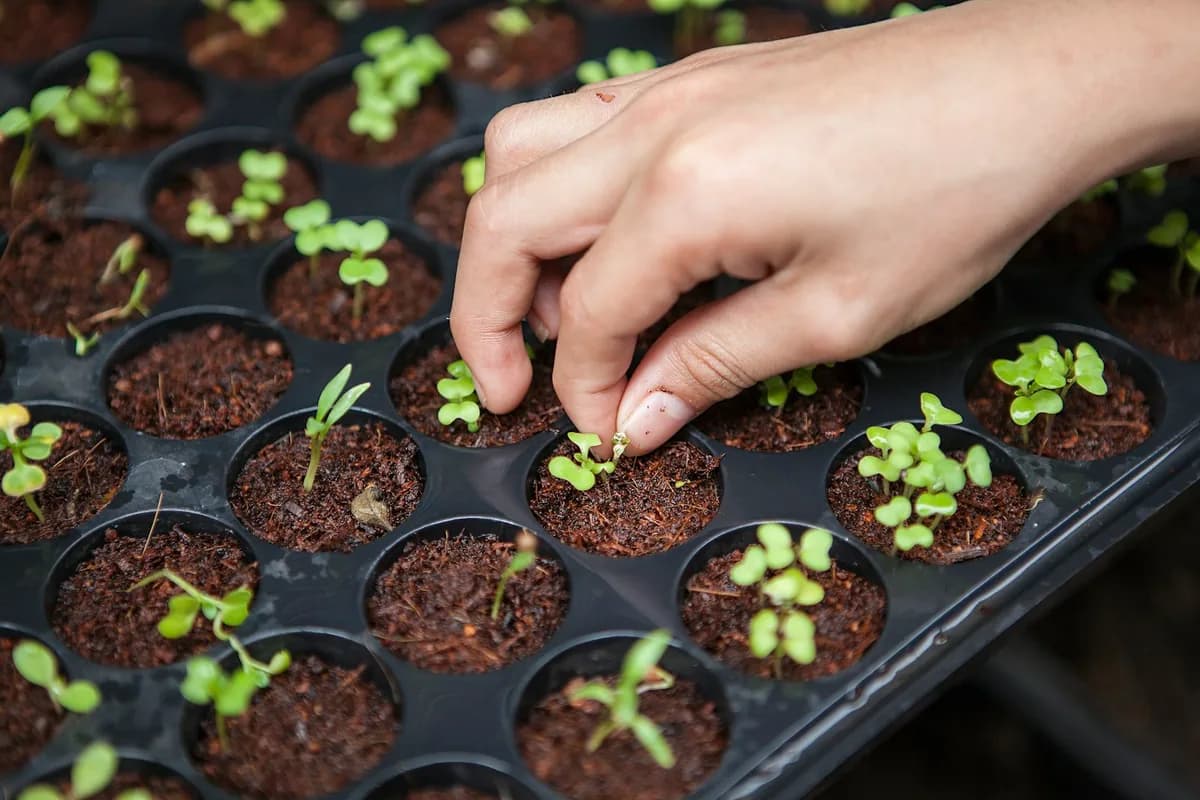
Hydroponics means growing plants without soil, with roots receiving water, oxygen and dissolved nutrients in a controlled system. It can sound technical, but a beginner setup can be small and simple. The main goal is not to buy the most advanced equipment. It is to keep light, water, nutrients and cleanliness consistent.
Start with simple leafy greens like butterhead lettuce or sweet basil before moving to fruiting crops like tomatoes, which require significantly higher light intensity and nutrient management.
What you need to start
For a basic indoor system you need a reservoir, net pots or plant holders, a suitable growing medium, hydroponic nutrients, light and a way for roots to access oxygen. Many countertop systems combine these parts. A simple kit can be convenient, but you can also build a basic passive or circulating setup if you understand the components.
Choose beginner-friendly crops
Leafy greens and herbs are usually easier than large fruiting crops. Lettuce, basil, mint and some Asian greens grow quickly and stay relatively compact. Tomatoes, cucumbers and peppers can also be grown hydroponically, but they need stronger light, more space and more support.
Light matters more than most beginners expect
A bright window can help, but indoor edible plants often need more consistent light than a room naturally provides. Use an efficient grow light designed for plants and follow the manufacturer's distance and duration guidance. More light is not always better; excessive heat or intensity can stress leaves.
Use nutrients made for hydroponics
Ordinary houseplant fertilizer is not automatically suitable. Hydroponic nutrients are formulated to provide essential elements in water. Follow the product instructions and start conservatively. Adding extra nutrient does not make plants grow faster and can damage roots.
Pay attention to water quality and pH
Plants can only use nutrients efficiently within a suitable pH range. Many hydroponic growers monitor pH with test strips, drops or a meter. Exact targets vary by crop and system, so use guidance for the plants you are growing. If your tap water is unusually hard or treated, you may need to adjust your approach.
Keep roots oxygenated
Roots need oxygen as well as water. Circulating systems may use a pump, while some reservoir systems use an air stone. Passive methods rely on leaving part of the root zone exposed to air. Brown, slimy or bad-smelling roots can be a warning sign that the system is too warm, dirty or poorly oxygenated.
Cleanliness prevents many problems
Wash your hands before handling the system, clean equipment between crops and remove dead plant material. Algae grows when nutrient-rich water is exposed to light, so opaque reservoirs and covered openings help. A clean system is easier to troubleshoot.
Start with one small system
Run one crop cycle before adding more equipment. Record when you top up water, adjust nutrients and harvest. This gives you a practical baseline. If you enjoy the routine, you can later experiment with larger systems or different methods.
Common beginner mistakes
The most common problems are weak light, too much nutrient, poor aeration, hot water, overcrowding and changing too many things at once. When plants struggle, check the basics in order: light, water level, root condition, temperature, pH and nutrient strength.
Is hydroponics worth it?
Hydroponics is useful when you want fresh herbs or greens in limited space and you enjoy a more hands-on growing system. It is not automatically cheaper or easier than soil. The value comes from compact growing, predictable conditions and the ability to learn quickly.
Frequently Asked Questions
Related Guides to Explore
Grow Here Editorial
Horticulture & Living Desk
Curating practical, evidence-backed advice for greener homes, sustainable systems, and intentional daily living across Grow Here.
Related Stories
Autumn Pollinator Pots: Plan Flowers for a Small UK Garden
Build a practical late-season flowering plan using container size, exposure and overlapping bloom periods rather than a shopping list.
Balcony Wind Protection for Plants: A UK Decision Guide
Work out whether moving pots, changing plants or an approved permeable screen is the right response to an exposed balcony.
A Balcony Wormery in Winter: Is Your Setup Suitable?
Check shelter, food input, maintenance and a backup waste route before starting or overwintering a wormery in a UK flat.