An Eat-First Box for Your Fridge: Reduce Waste Safely
Build a small priority zone without losing use-by dates, opening instructions or separation between raw and ready-to-eat foods.

Grow Here Editorial
Editorial Team
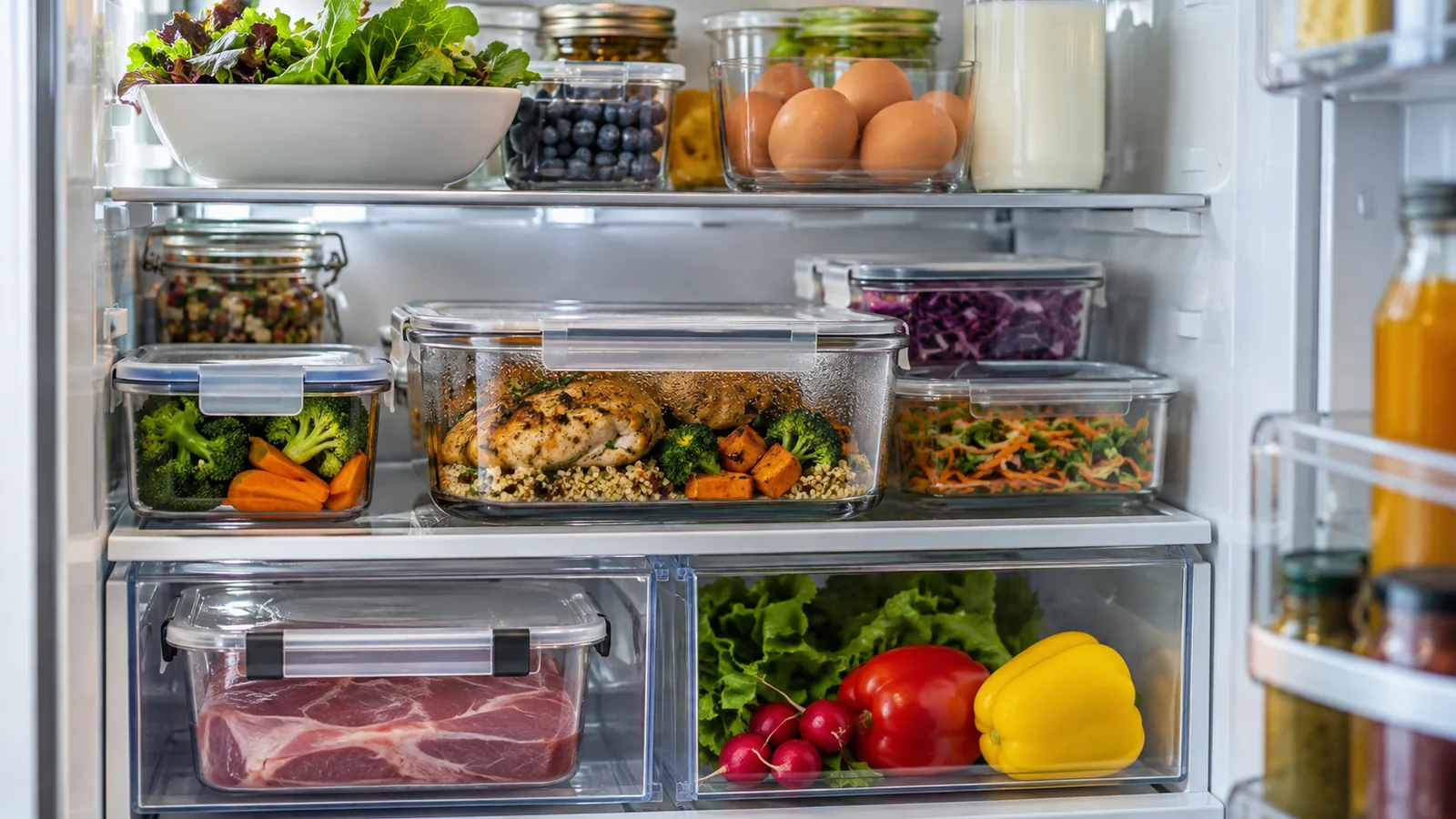
An eat-first box is a small visible fridge zone for food that needs using soon and is still safe to eat. Keep original labels and storage instructions, and never mix raw meat with ready-to-eat items just to gather everything in one place. The box changes visibility; it does not extend shelf life.
You can use an existing clean, suitable tray rather than buying matching organisers. The useful part is the decision routine each person follows when adding or removing food.
Apply safety rules before priority rules
The Food Standards Agency chilling guidance recommends a fridge temperature of 0–5°C, following packaging instructions and keeping raw meat, poultry and fish covered on the bottom shelf. Its remit on this page is England, Wales and Northern Ireland; readers in Scotland can also consult Food Standards Scotland's chilling advice.
Use-by dates concern safety. Do not use appearance or smell to override them. Follow any shorter instruction after opening, and retain allergen information when transferring food to another container.
Our small-kitchen organisation guide covers space planning. Here, food condition and instructions determine the position before convenience does.
Set up two routes instead of one mixed basket
Choose a visible, suitable location for ready-to-eat items needing attention. Keep a separate reminder for raw ingredients that must stay in their correct storage area. A note saying “use chicken today” can serve the same planning purpose without moving it beside a ready-to-eat salad.
Do not pack trays so tightly that they obstruct the fridge's designed airflow. Check appliance instructions for loading and shelf placement. If there is insufficient room, a paper list on the outside may work better than another internal box.
Use a four-question intake check
When adding an item, ask:
- Is it still within its safety and storage instructions? If uncertain, resolve that before planning a meal.
- Which deadline applies? Compare use-by, opening instructions and any preparation history.
- Does it belong in this zone? Preserve separation and correct temperature requirements.
- What is the next action? Use, freeze where suitable and permitted, or remove if unsafe.
Write an opening date when the label requires it. Do not cover the original date with your own sticker. For leftovers, record what they are and when they were prepared, then follow the appropriate food-specific guidance.
A worked household rotation
Imagine a household has an unopened yoghurt, half a jar of sauce and covered cooked leftovers. The yoghurt's printed date is later, but the sauce's after-opening instruction is sooner. The leftovers have their own short storage period. Sorting only by printed dates would miss the important deadline.
Put a small action note beside the meal plan: “check sauce instructions; use suitable leftovers at lunch; keep yoghurt labelled”. This is a fictional example. The food labels and safe storage history decide the actions, not the example's order.
Before shopping, check the priority zone and the separate raw-food reminder. Buy ingredients that support a realistic meal rather than purchasing more perishables to rescue one neglected item.
Avoid three common failures
The box becomes a graveyard: make it smaller and review it before shopping. Moving food without choosing an action does not reduce waste.
Dates disappear during decanting: retain the packaging information or a complete accurate label, including allergens where needed. Attractive jars are optional.
Different people assume someone else checked: agree who records openings and how uncertainty is marked. “Please check” is safer than an invented date.
For freezer planning, use our freezer inventory guide. Freezing requires its own suitability and labelling checks; it is not a remedy for food already unsafe.
In a shared compact home, agree who updates the list alongside the routines in our small-apartment organisation guide. Keep that responsibility clear when more than one person shops.
Frequently asked questions
Can food stay in the box after its use-by date?
No. The box does not change the date or make a smell test reliable for safety.
Do I need a new organiser?
No. A suitable clean tray or external list can do the job if it preserves safe storage.
Can I put raw chicken in a sealed eat-first box?
Keep raw foods in their appropriate separate location. Use a reminder rather than mixing storage categories.
Which date matters after opening?
Follow the manufacturer's instructions, including any shorter after-opening limit, alongside the use-by date.
Can I freeze everything I will not finish?
Check each product's suitability, instructions and safe storage history first. Some foods or circumstances need different handling.
Start with one shelf check
Check the fridge temperature, preserve labels and identify three safe items needing an actual meal decision. Keep the zone small and the raw-food reminder separate. Review it before the next shop so the system influences what you buy.
Grow Here Editorial
Editorial Team
Curating practical, evidence-backed advice for greener homes, sustainable systems, and intentional daily living across Grow Here.
Related Stories
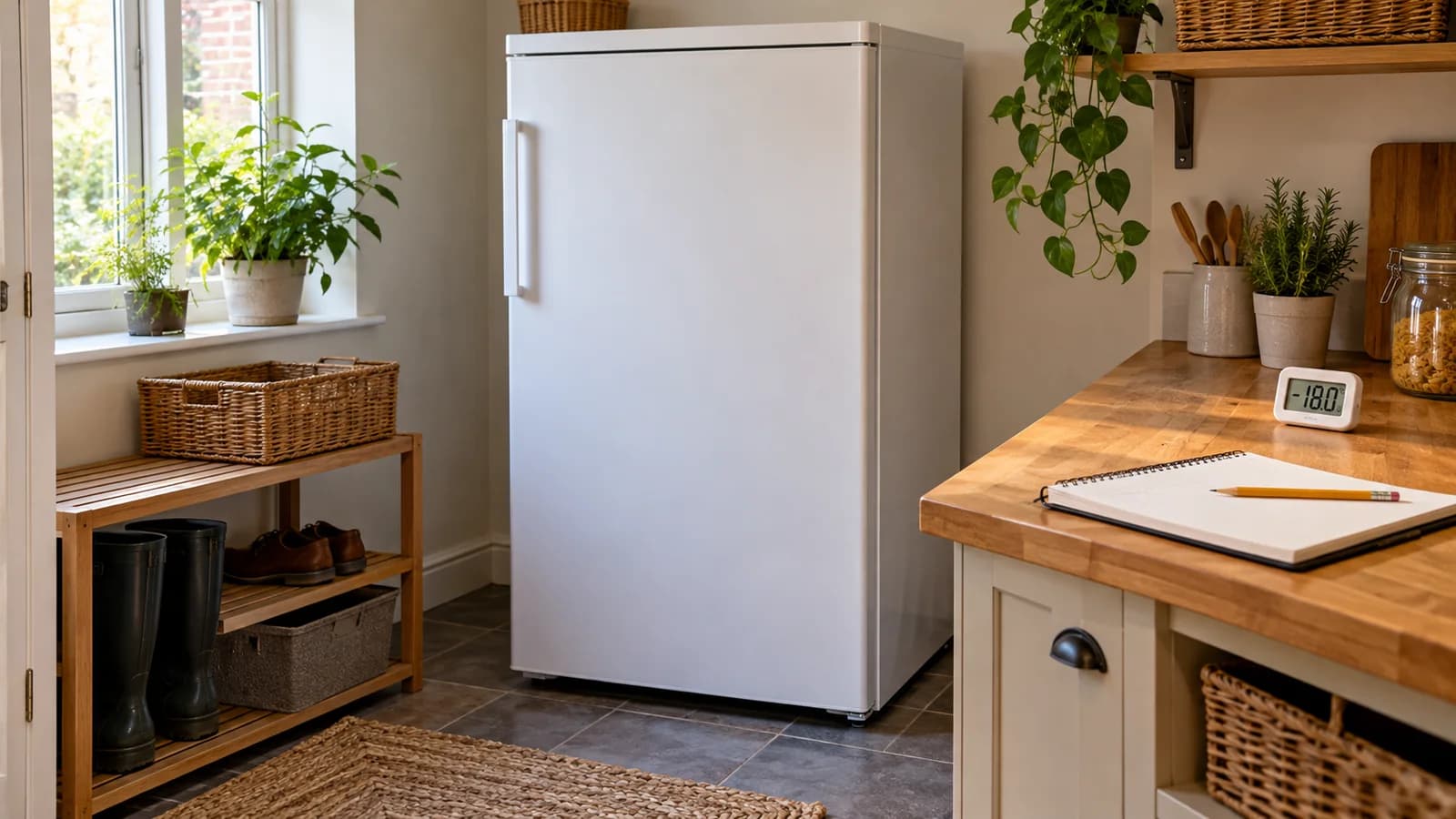
Freezer Inventory and Power-Cut Plan for UK Homes
Create an inventory you can read without opening the freezer, record an outage and find the right food-safety advice before deciding what to keep.
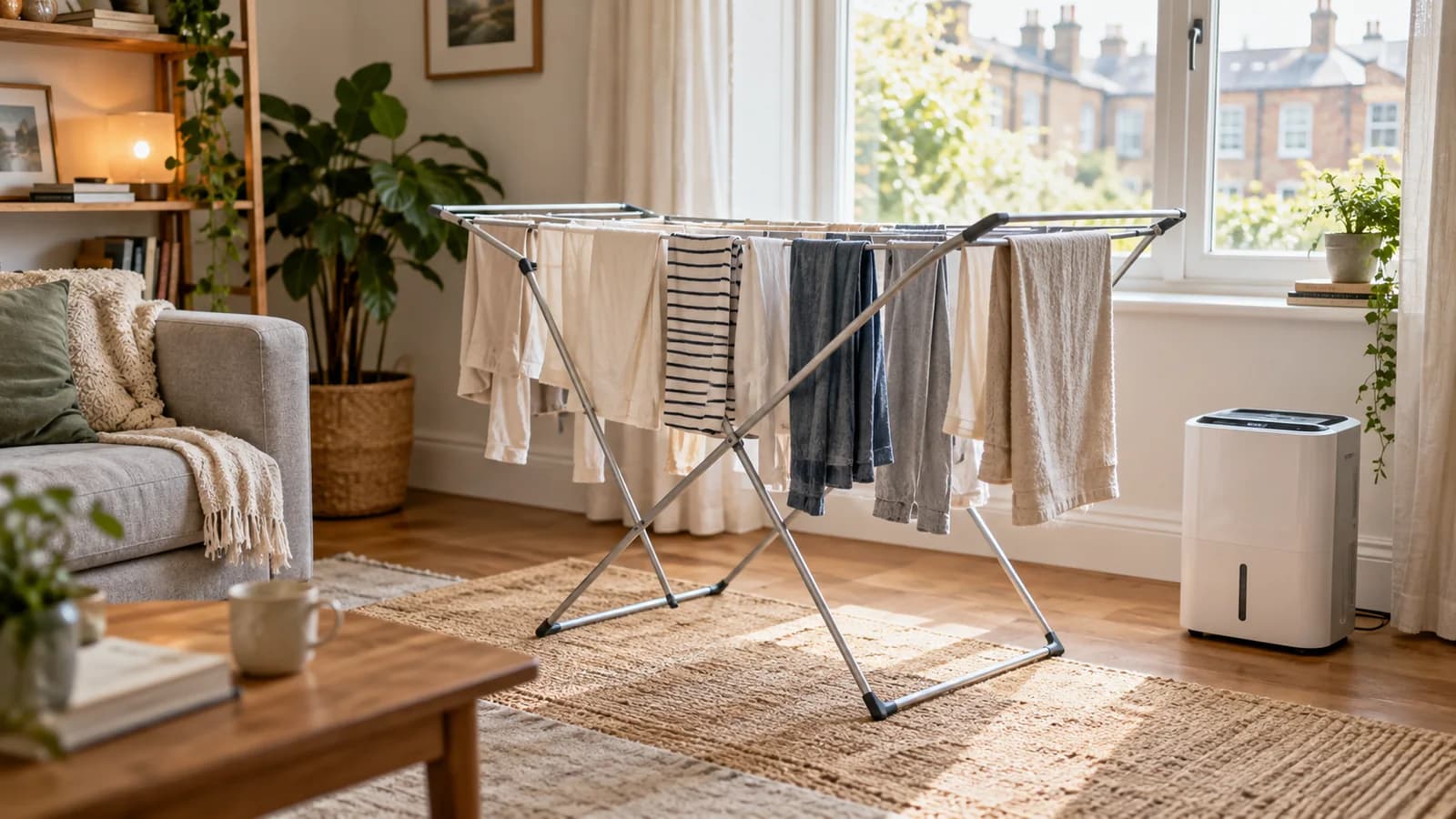
Drying Laundry in a Small Flat: A Winter Setup Guide
Choose a workable drying space by checking extraction, access, fabric care and repeat condensation before buying another appliance.
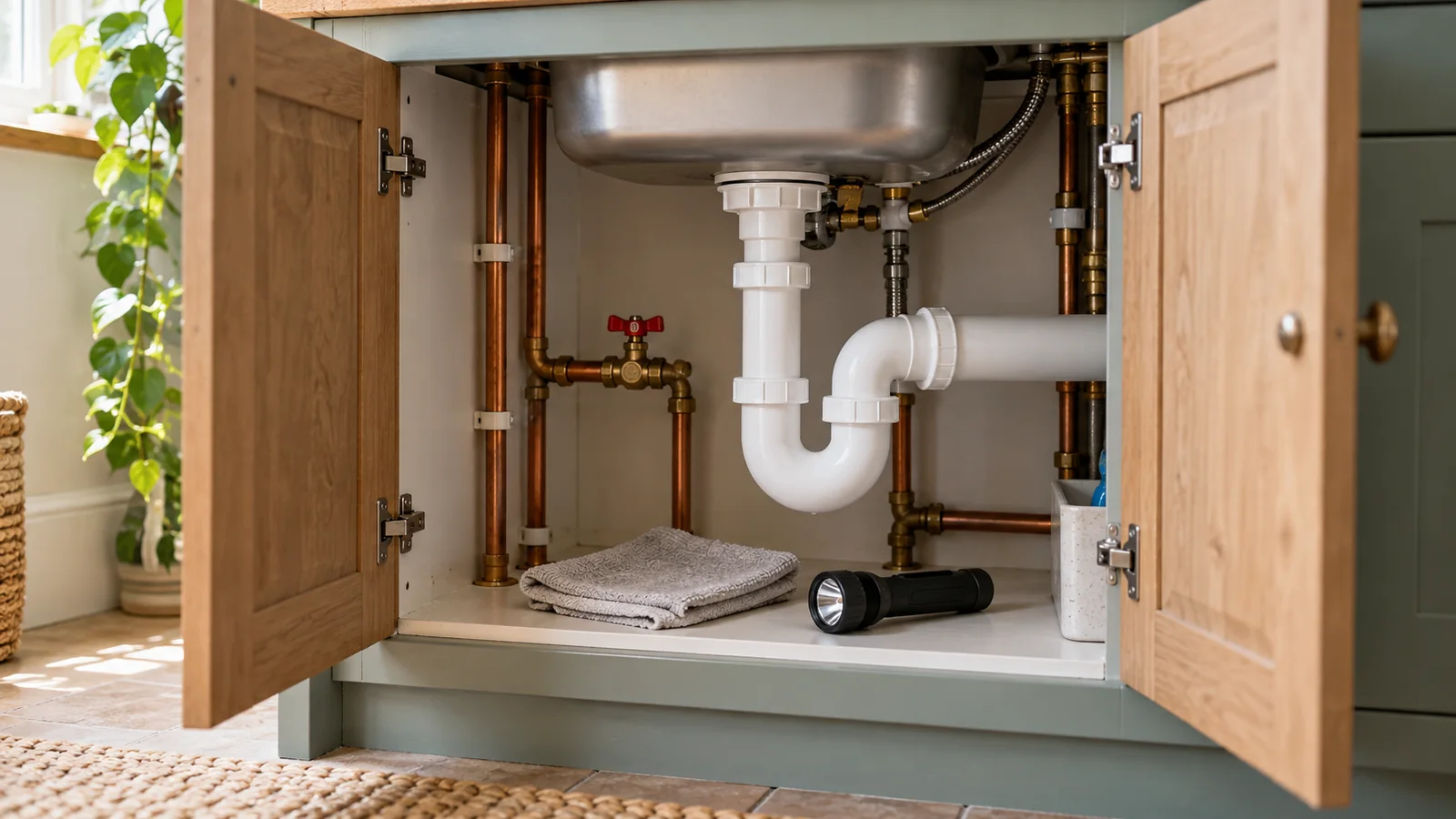
Under-Sink Leak Checks: What to Record Before Reorganising
Inspect accessible cupboard areas without dismantling plumbing, preserve stop-tap access and prepare a clear repair report.