Balcony Herb Garden: 10 Easy Herbs to Grow in Pots
Start a balcony herb garden with easy herbs for pots, simple container tips, watering advice and a realistic setup for small spaces.

Grow Here Editorial
Horticulture & Living Desk

A balcony herb garden is one of the easiest ways to turn a small outdoor space into something useful. Herbs fit into containers, many respond well to regular harvesting, and you can start with only two or three pots. The key is matching each herb to your light and watering habits.
Terra cotta or breathable fabric containers dry faster than plastic, making them ideal for Mediterranean herbs like rosemary and thyme that dislike soggy roots.
Before choosing herbs, check the sun
Most Mediterranean herbs prefer strong light, while some leafy herbs can manage with less. Observe your balcony in the morning and afternoon. Also note wind, because upper-floor balconies can dry pots quickly and damage soft stems.
1. Basil
Basil likes warmth, sun and regular moisture. Pinch growing tips to encourage bushier growth and remove flowers if you want to keep producing leaves. It is sensitive to cold, so treat it as a warm-season herb in cooler climates.
2. Mint
Mint is vigorous and useful for drinks, salads and cooking. Keep it in its own pot because it can spread aggressively when planted with other herbs. It tolerates somewhat less sun than rosemary or thyme and prefers more consistent moisture.
3. Parsley
Parsley grows well in containers and is useful in many dishes. Keep the soil evenly moist without waterlogging. Harvest outer stems first and allow the center of the plant to continue producing.
4. Chives
Chives are compact, easy to harvest and well suited to pots. Snip leaves with clean scissors and allow the base to regrow. The flowers are attractive, but regular cutting encourages tender leaves.
5. Thyme
Thyme prefers strong light and well-drained soil. It is more tolerant of short dry periods than basil. Avoid overwatering and choose a container that does not hold excess moisture.
6. Rosemary
Rosemary likes sun, good airflow and drainage. It can become a substantial shrub over time, so give it its own container. In humid or wet conditions, allow the soil to dry somewhat between waterings.
7. Oregano
Oregano is another sun-loving herb that performs well in containers. Regular trimming keeps the plant compact and encourages fresh growth. It prefers a well-drained mix.
8. Coriander or cilantro
Coriander grows quickly but can bolt in hot weather. Sow small batches every few weeks rather than one large crop. In warm climates, give it morning sun and some protection from intense afternoon heat.
9. Dill
Dill grows taller than many herbs and prefers its own pot because it forms a taproot. Choose a deeper container and shelter it from strong wind. Harvest leaves young and allow some plants to flower if you want seed.
10. Sage
Sage likes bright light, drainage and moderate watering. It pairs well with other Mediterranean herbs that prefer drier conditions, provided the container is large enough.
Group herbs by water needs
Do not automatically put every herb into one planter. Basil and mint usually appreciate more consistent moisture, while rosemary, thyme, sage and oregano prefer drier conditions. Grouping plants with similar needs makes care much easier.
Harvest often, but not too much
Frequent light harvesting encourages many herbs to branch. Avoid removing most of a small plant at once. If growth slows, let the plant recover before cutting again.
Frequently Asked Questions
Related Guides to Explore
Grow Here Editorial
Horticulture & Living Desk
Curating practical, evidence-backed advice for greener homes, sustainable systems, and intentional daily living across Grow Here.
Related Stories
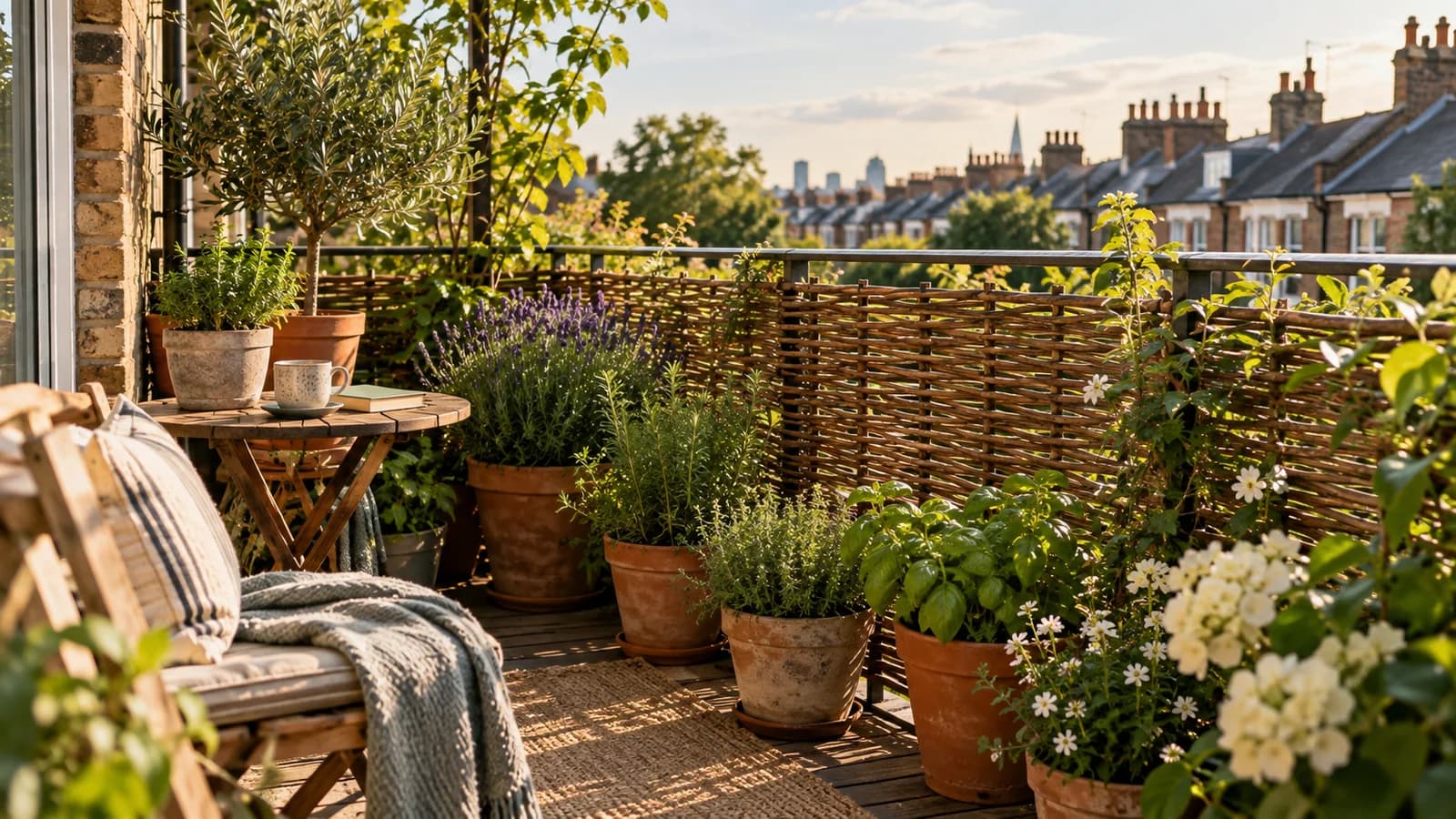
Balcony Wind Protection for Plants: A UK Decision Guide
Work out whether moving pots, changing plants or an approved permeable screen is the right response to an exposed balcony.
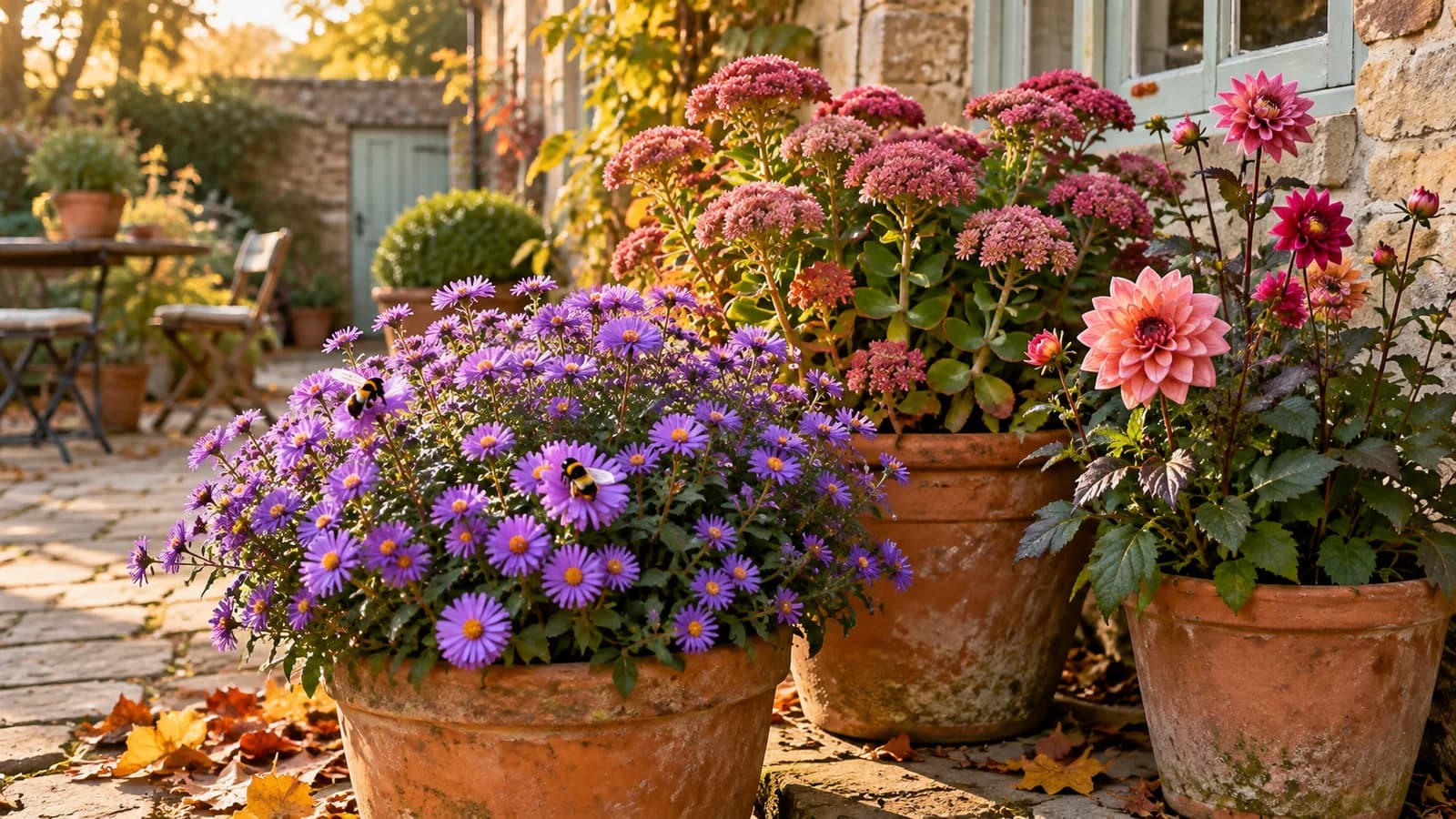
Autumn Pollinator Pots: Plan Flowers for a Small UK Garden
Build a practical late-season flowering plan using container size, exposure and overlapping bloom periods rather than a shopping list.
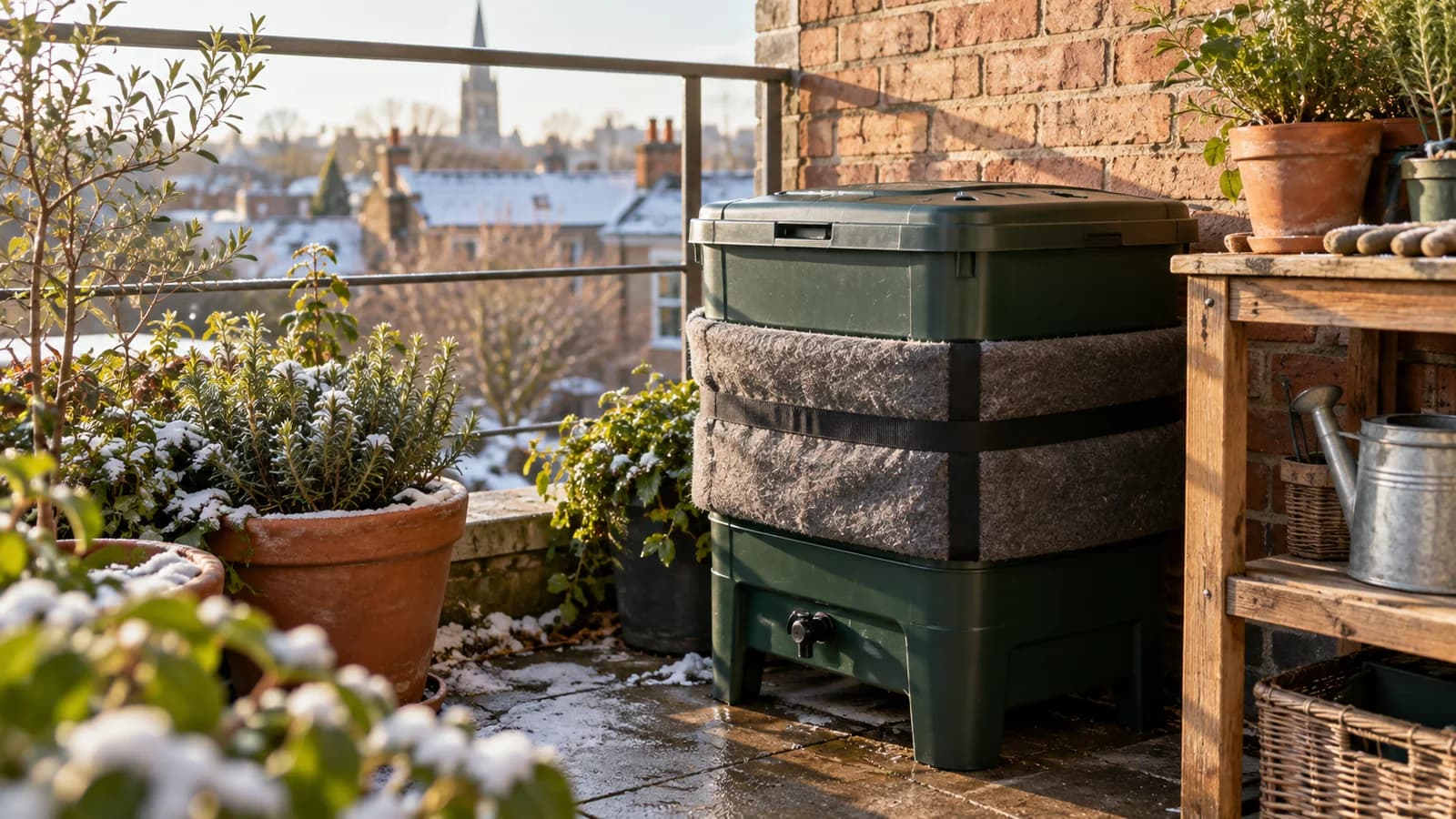
A Balcony Wormery in Winter: Is Your Setup Suitable?
Check shelter, food input, maintenance and a backup waste route before starting or overwintering a wormery in a UK flat.