Mini Garden Ideas for Small Spaces: 12 Easy Ways to Grow More
Create a mini garden on a balcony, windowsill or small patio with 12 simple ideas for herbs, greens, containers and vertical growing.

Grow Here Editorial
Horticulture & Living Desk
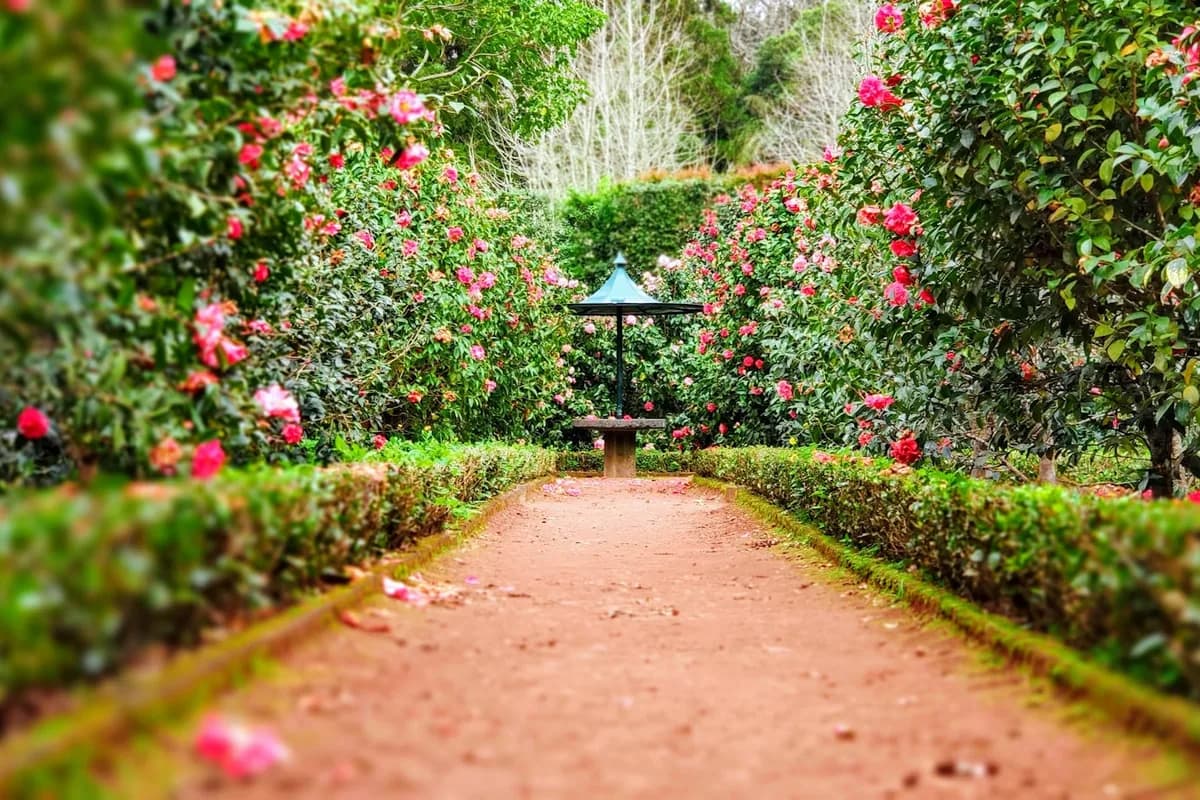
Small-space gardening works best when every pot has a job. Instead of trying to copy a full backyard garden, build a mini garden around the light, space and time you actually have. A windowsill can grow herbs. A sunny balcony can support salad greens and compact tomatoes. A wall or railing can carry planters without taking up floor space.
1. Start by mapping your light
Watch the space for a few days before buying plants. Note where direct sun reaches in the morning and afternoon, and which areas stay bright but shaded. Most edible plants produce better with stronger light, while many leafy greens and herbs can cope with less. Matching plants to the available light is easier than constantly moving pots.
2. Choose a simple container system
Use a small number of pot sizes so watering and storage stay manageable. Containers need drainage holes, and saucers are useful indoors or on balconies where runoff matters. Larger pots dry more slowly than tiny pots, which can make them easier for beginners. Avoid filling every empty corner on day one.
3. Grow upward
Vertical gardening is one of the highest-value ideas for a mini garden. A wall-mounted planter, slim ladder shelf, railing planter or freestanding tier can hold several plants while keeping the floor usable. Put sun-loving plants higher if that area receives more light, and keep trailing plants where they can hang without blocking walkways.
4. Prioritize plants you will actually use
For an edible mini garden, begin with herbs and greens you already buy. Basil, mint, parsley, coriander, chives and leafy salad crops are practical because you can harvest small amounts. If you enjoy flowers more than food, build around long-blooming compact varieties instead. A useful garden is easier to maintain than a decorative collection you do not care about.
5. Use railing and window boxes carefully
Railing planters are excellent for balconies, but they must be secure. Check weight limits, wind exposure and building rules. Window boxes can work for herbs and compact flowers if they drain safely. Never place a heavy planter where it could fall onto people or property below.
6. Try a tabletop garden
A shallow tray of herbs, succulents or microgreens can create a mini garden on a table, desk or kitchen counter. Keep the arrangement small enough to move for cleaning. For edible crops, use clean growing media and containers intended for planting.
7. Create a watering routine
Small containers can dry quickly in hot weather. Check soil with a finger rather than watering only by calendar. Water thoroughly when the plant needs it, then allow excess water to drain. Grouping plants with similar moisture needs reduces guesswork.
8. Add one vertical edible crop
If you have strong light, try one climbing or upright crop such as pole beans, compact cucumber or a supported cherry tomato. Use a sturdy trellis and a container large enough for the root system. One productive plant often works better than several crowded plants.
9. Use herbs as your beginner crop
Herbs give fast feedback and fit into small containers. Mint is vigorous and is usually easier to manage in its own pot. Basil likes warmth and good light. Parsley and chives are useful, compact choices. Harvest regularly, but avoid removing so much growth that the plant struggles to recover.
10. Leave breathing room
A mini garden should make a small space feel better, not harder to use. Keep doorways, drains and walkways clear. Leave some empty space between pots for air movement and maintenance. This also makes it easier to spot pests or damaged leaves early.
11. Add simple composting only if it suits the space
A sealed kitchen-scrap system or small worm bin can work in some homes, but it is optional. Do not add composting because it feels like a requirement. If local collection is easier, use that. Your mini garden can still be productive with purchased compost or potting mix.
12. Grow slowly and review what works
After a month, note which plants are thriving, which areas are awkward to reach and how often you are watering. Keep the winners and change the rest. A mini garden becomes better through small adjustments, not through buying more plants.
Frequently Asked Questions
Related Guides to Explore
Grow Here Editorial
Horticulture & Living Desk
Curating practical, evidence-backed advice for greener homes, sustainable systems, and intentional daily living across Grow Here.
Related Stories
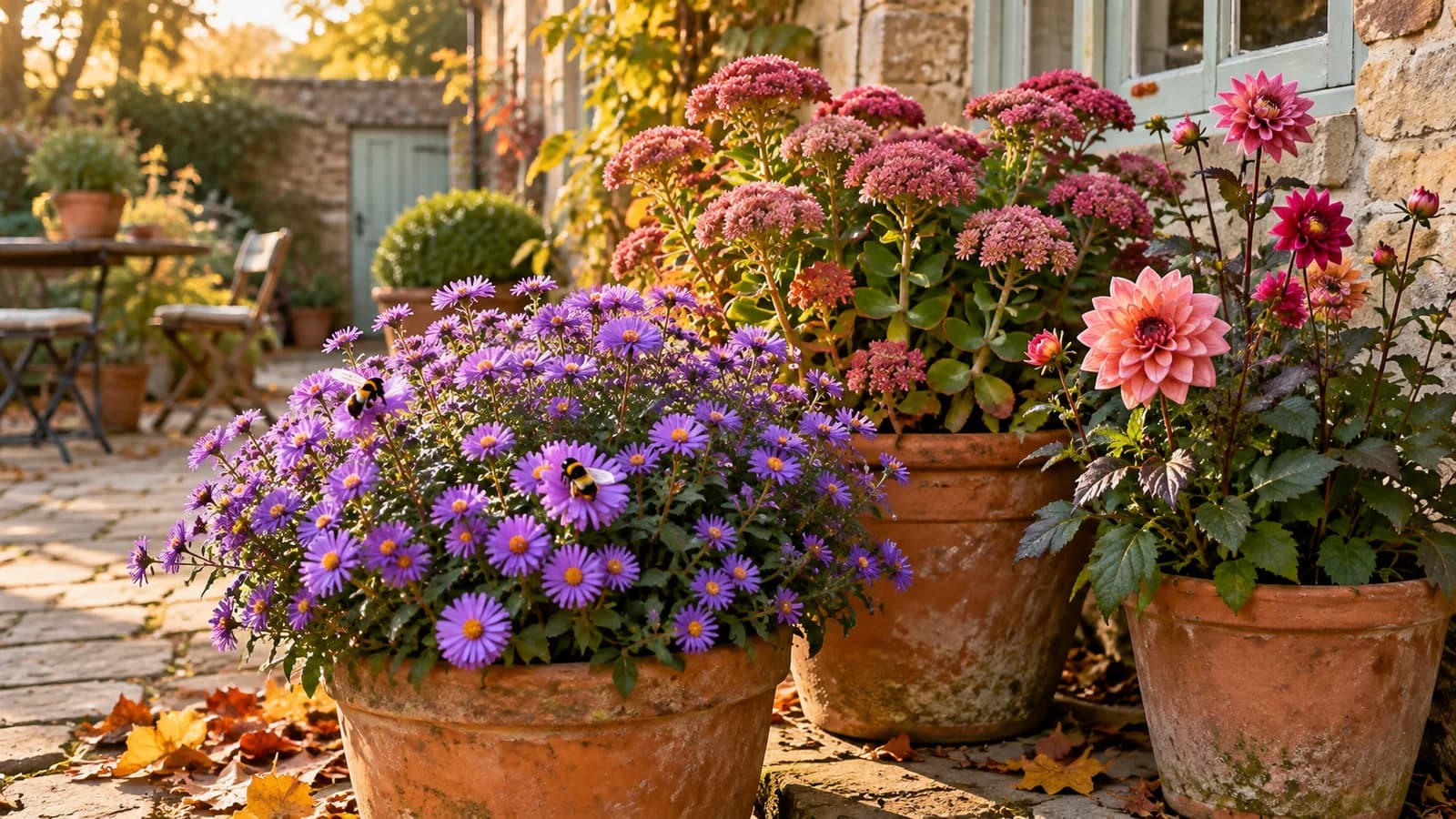
Autumn Pollinator Pots: Plan Flowers for a Small UK Garden
Build a practical late-season flowering plan using container size, exposure and overlapping bloom periods rather than a shopping list.
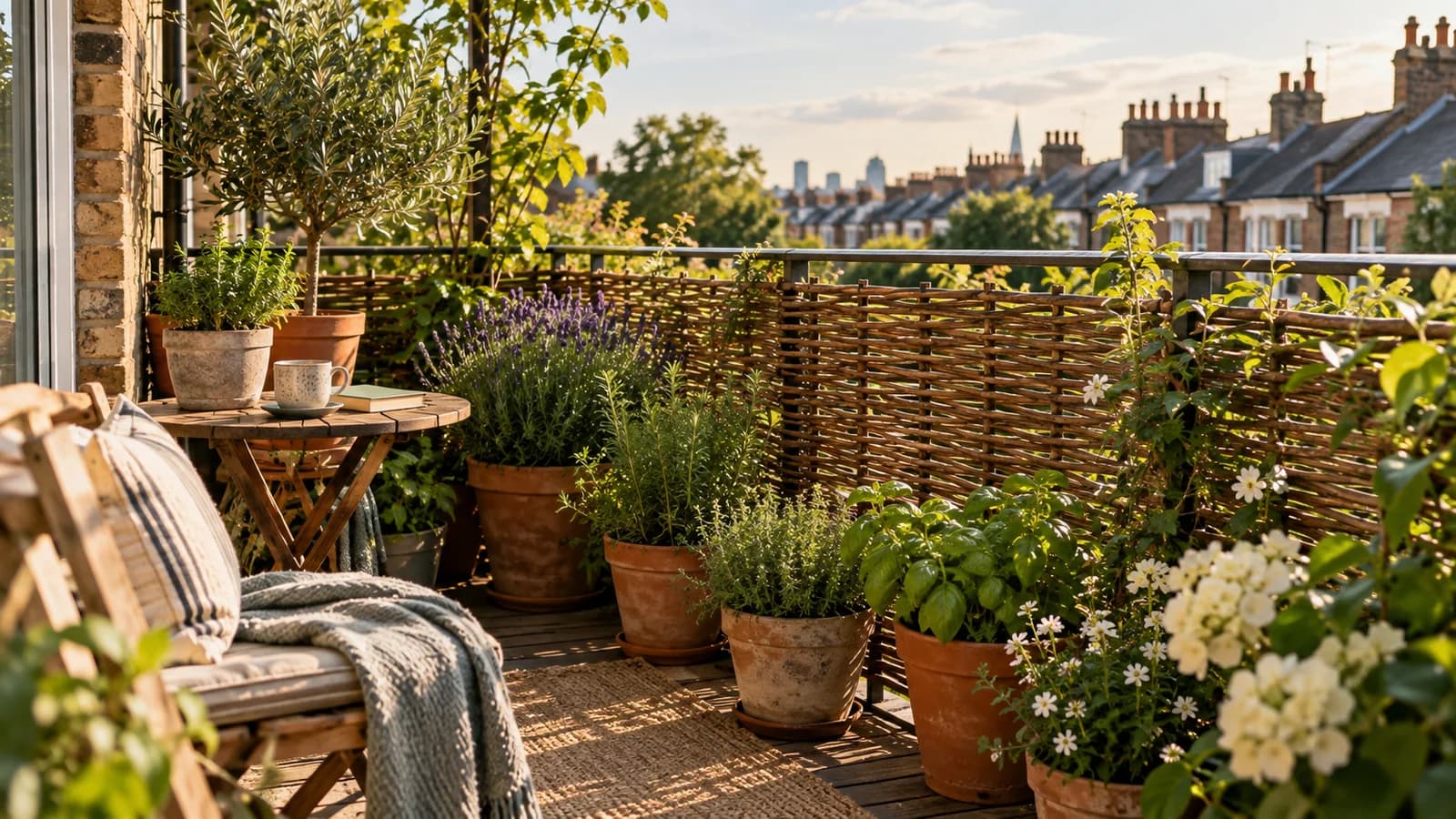
Balcony Wind Protection for Plants: A UK Decision Guide
Work out whether moving pots, changing plants or an approved permeable screen is the right response to an exposed balcony.
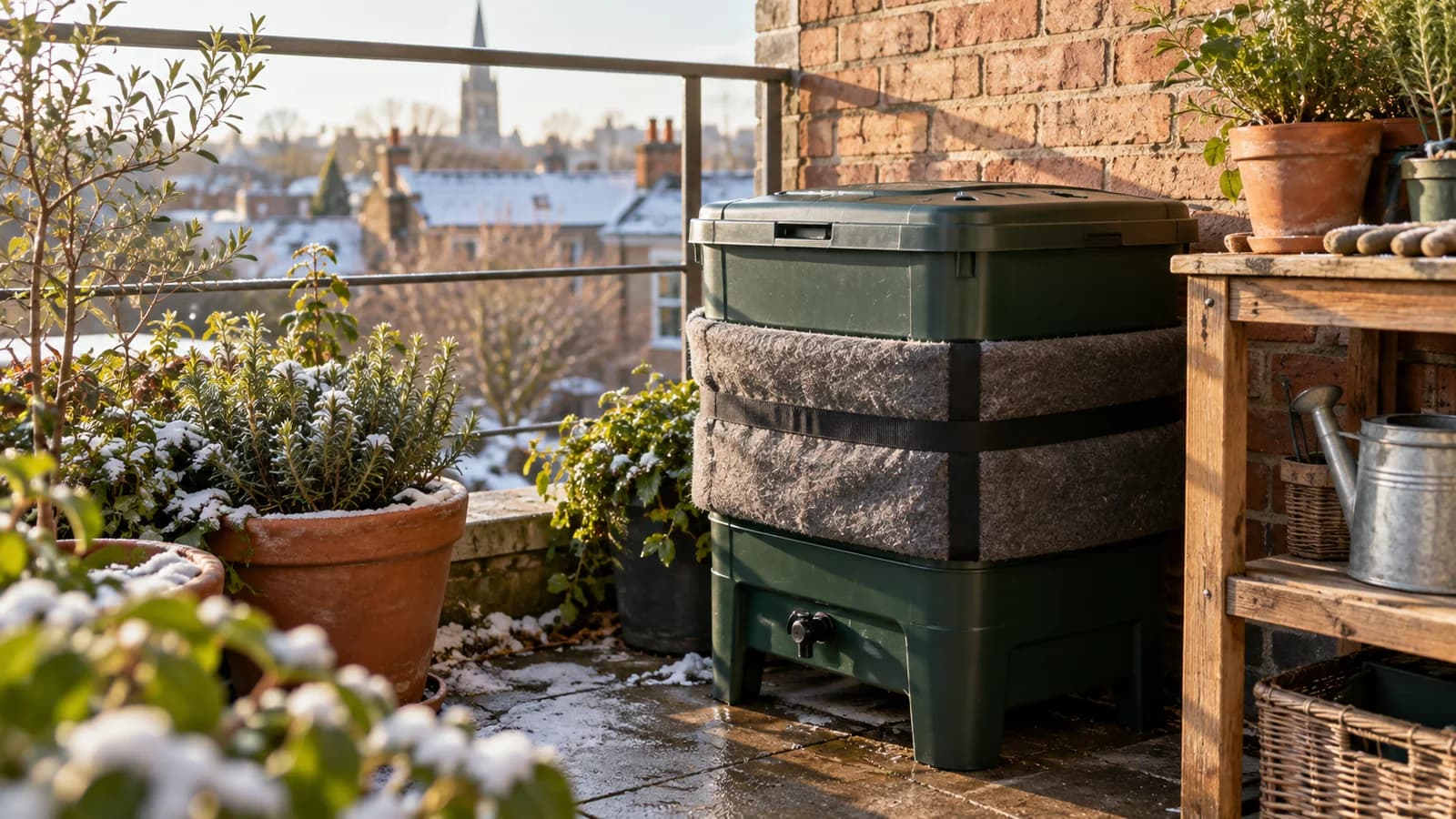
A Balcony Wormery in Winter: Is Your Setup Suitable?
Check shelter, food input, maintenance and a backup waste route before starting or overwintering a wormery in a UK flat.