Small Kitchen Organization Ideas: 14 Ways to Create More Usable Space
Make a small kitchen easier to use with practical pantry, cabinet, drawer, counter and vertical storage ideas that reduce daily clutter.

Grow Here Editorial
Home & Spaces Desk
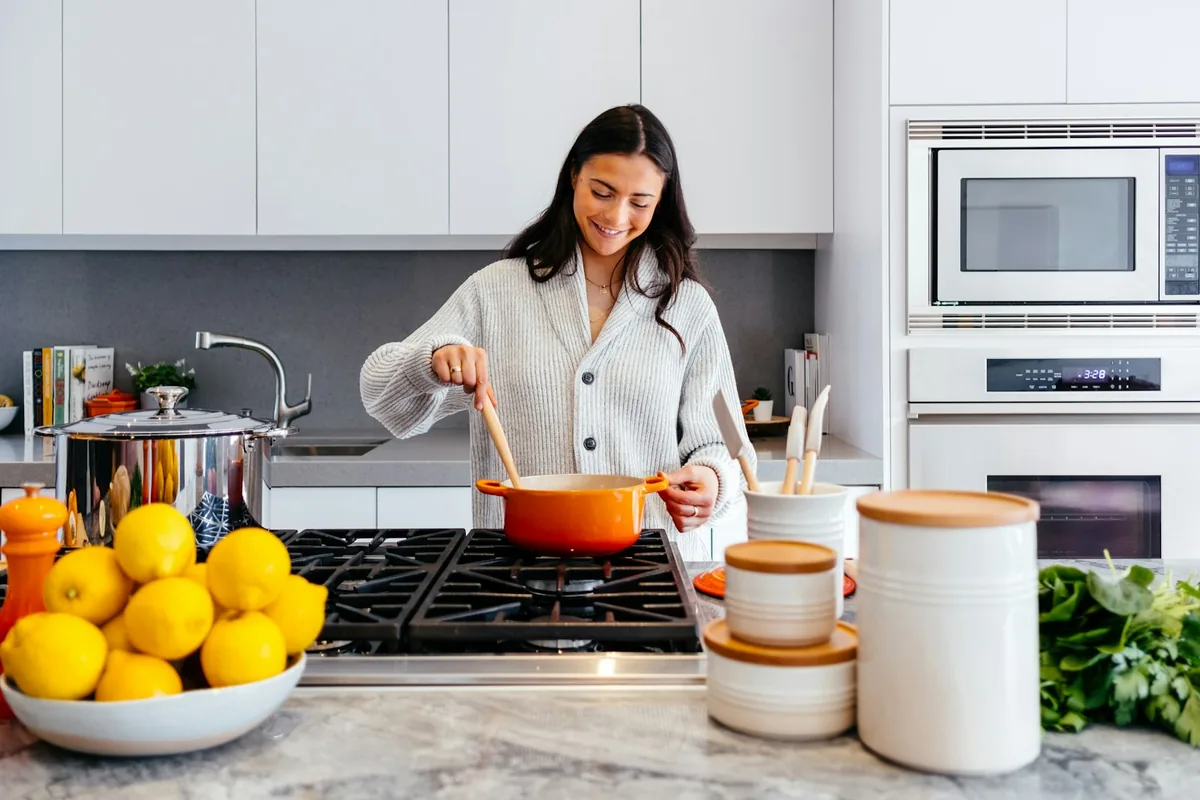
A small kitchen becomes frustrating when storage is arranged by where things fit instead of where they are used. Good organization creates a simple flow: food preparation, cooking, washing and storage. You do not need more containers everywhere; you need fewer obstacles.
Only appliances used daily (such as the kettle or toaster) should earn valuable countertop real estate. Store secondary appliances in lower cabinets.
1. Protect one clear prep zone
Choose a section of counter that stays mostly empty. This is your default chopping, mixing and plating area. Store appliances elsewhere unless you use them almost every day.
2. Put everyday tools near the task
Keep knives near prep space, cooking utensils near the stove and tea or coffee supplies together. This reduces unnecessary movement and makes it easier to put items back.
3. Use cabinet doors
Door-mounted organizers can hold lightweight wraps, lids or cleaning items. Make sure they do not prevent shelves from closing.
4. Add shelf risers
A simple shelf riser creates a second level for bowls, mugs or cans without permanent renovation. Measure cabinet height first.
5. Store pans vertically
Vertical dividers can make baking sheets, cutting boards and pan lids easier to remove without lifting a heavy stack.
6. Limit food-container clutter
Match containers with lids and remove damaged or unmatched pieces. Store containers nested by size and lids vertically where possible.
7. Decant only when it helps
Clear jars look tidy, but decanting everything creates extra work. Use containers for products that are hard to stack, spill easily or benefit from airtight storage. Keep labels or expiry information where needed.
8. Use the top of cabinets carefully
Upper areas can store rarely used lightweight items, but avoid creating dusty piles. Use labeled boxes if the space is practical and safe to reach.
9. Create a small pantry zone
Even without a pantry, one cabinet or shelf can become a food zone. Group breakfast, baking, snacks or dinner staples so you can see what you already have.
10. Keep a first-to-use area
Place foods that should be eaten soon in one visible basket or fridge section. This reduces waste and prevents older products from disappearing behind new groceries.
11. Use hooks under shelves
Hooks can hold mugs, small tools or cloths, but keep them away from hot surfaces and crowded walkways.
12. Review duplicate gadgets
Small kitchens cannot easily support single-purpose tools that are rarely used. Keep gadgets that save you real time and consider removing the rest.
13. Organize the fridge by function
Use simple zones for ready-to-eat foods, ingredients, produce and leftovers. Avoid overcrowding because visibility is part of organization.
14. Reset the kitchen every evening
Wash or stack dishes, wipe the prep area and return obvious items to their homes. A five-minute reset protects the system better than an occasional full reorganization.
Buy storage last
After a week of using the new arrangement, note where items still pile up. Then buy a divider, shelf or bin only if it solves that specific problem.
Frequently Asked Questions
Related Guides to Explore
Grow Here Editorial
Home & Spaces Desk
Curating practical, evidence-backed advice for greener homes, sustainable systems, and intentional daily living across Grow Here.
Related Stories
Drying Laundry in a Small Flat: A Winter Setup Guide
Choose a workable drying space by checking extraction, access, fabric care and repeat condensation before buying another appliance.
Freezer Inventory and Power-Cut Plan for UK Homes
Create an inventory you can read without opening the freezer, record an outage and find the right food-safety advice before deciding what to keep.
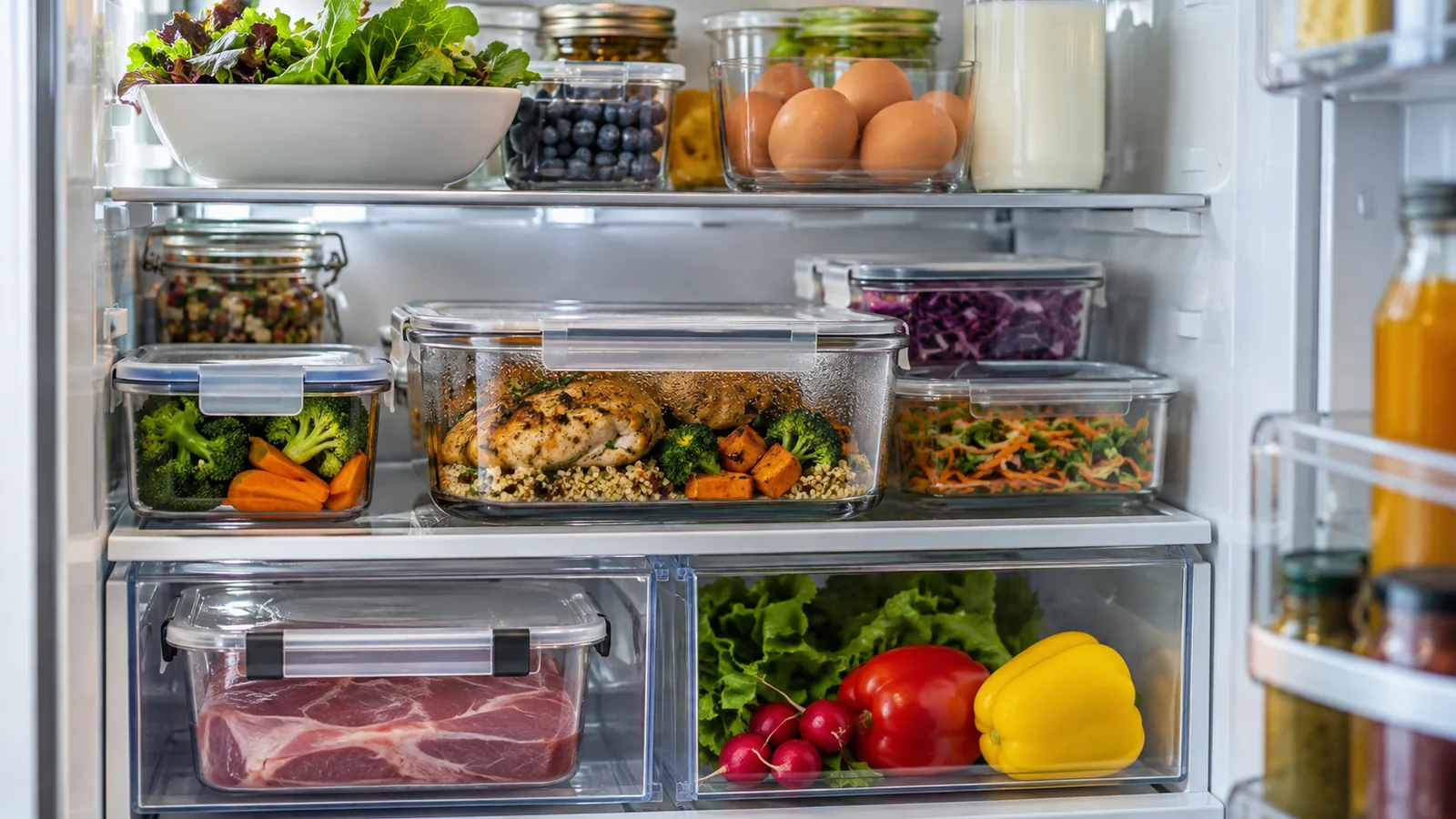
An Eat-First Box for Your Fridge: Reduce Waste Safely
Build a small priority zone without losing use-by dates, opening instructions or separation between raw and ready-to-eat foods.