Smart Meter Display and Bill Disagree? Check These First
Compare dates, units, tariff information and actual readings before treating an in-home display difference as a billing fault.

Grow Here Editorial
Editorial Team
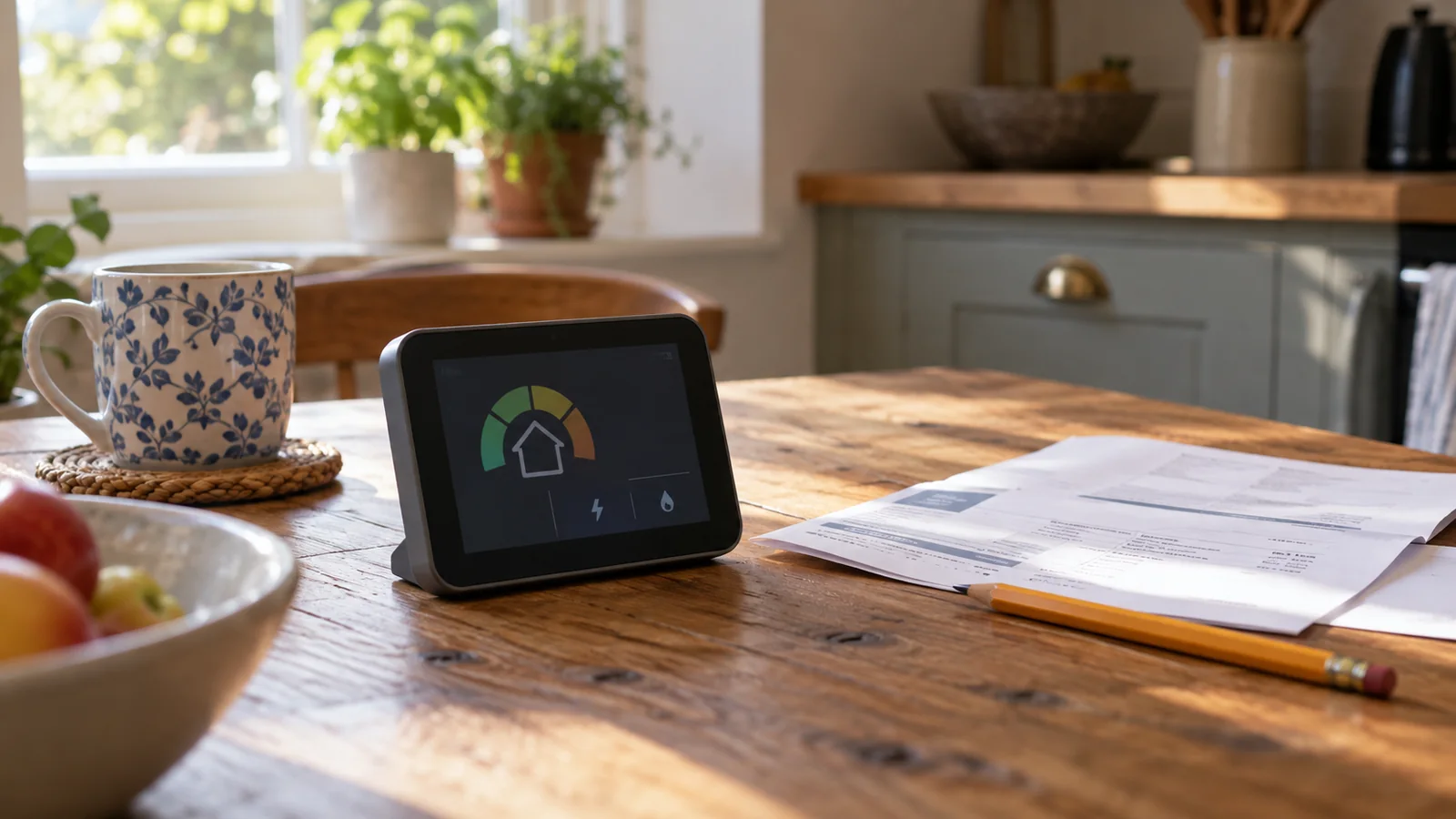
If your smart meter's in-home display and bill disagree, first compare the same dates, fuel and units. A pounds-per-hour screen, today's estimated cost and a monthly account balance are different figures. A mismatch deserves checking, but it does not by itself prove that the billing meter is inaccurate.
This guide helps you assemble a clear supplier query. It does not decide whether a disputed charge is lawful or tell you to alter metering equipment.
Separate the display from the meter
The Energy Saving Trust smart meter guide distinguishes the meter from the in-home display used to view consumption and cost information. Ofgem's smart meter guidance explains communication with the supplier and the display.
In Great Britain, speak to your energy supplier about metering and billing problems. Northern Ireland has different energy-market arrangements; use your supplier and the relevant local consumer advice rather than assuming every Ofgem route applies.
Before investigating, photograph or note the exact screen and timestamp. Avoid sending full account details or meter identifiers in public forums.
Run a like-for-like comparison
Use this editorial five-part check:
- Fuel: electricity, gas or a combined summary?
- Period: today, this week, billing dates or account balance?
- Unit: watts, kWh, £/hour or accumulated pounds?
- Rate information: does the displayed tariff appear consistent with the current agreement?
- Bill basis: actual readings, estimated readings, adjustments or a mix?
Write each answer beside the figure before subtracting anything. A gas meter's physical reading units may also differ from billed kWh; do not apply an electricity calculation to it. Ask the supplier to explain conversions where needed.
Reconcile consumption before account balance
Find the bill's opening and closing readings and dates. Check whether the bill identifies them as actual or estimated. Use the supplier's approved process for providing a current reading if requested; do not access damaged or unsafe equipment.
For electricity, compare consumption in kWh for matching periods before comparing pounds. If kWh broadly matches but pounds differs, tariff or account components may explain it. Standing charges, VAT, credits, debt adjustments and payments can affect the bill or balance without representing extra appliance use.
Our home energy guide helps with consumption decisions. Keep those separate from correcting a bill.
An illustrative mismatch
Suppose a display shows £24 for a period while a bill shows £35. The household first discovers the periods are different. After matching dates, it finds the bill also includes charges not represented in the screen being viewed.
That does not prove every discrepancy is harmless. It shows why an unexplained £11 difference is not yet a diagnosis. Use the actual tariff, bill and device manual; these fictional figures are not typical UK charges.
If the display cannot represent a complex tariff properly, ask the supplier which information is reliable and where to obtain the correct breakdown. Do not manually change metering settings to force a match.
Send a query that can be investigated
Include the billing period, relevant readings, whether they are estimated, the display screen and date, the tariff name and the question you cannot reconcile. Redact unnecessary personal information when sharing documents outside the supplier's secure channel.
Ask whether the meter is communicating, whether tariff details need updating and whether the bill needs investigation. Keep the reference and response. A display problem and a billing problem may need different fixes.
For individual-appliance questions, our plug-in monitor guide describes a separate method. It cannot certify the supplier meter's accuracy.
If a change in heating schedules coincided with the period being queried, our thermostat guide can help you record settings and usage changes. It cannot determine whether the bill is correct.
Frequently asked questions
Does a blank display mean the meter stopped recording?
Not necessarily. Ask the supplier how to check the meter and communication safely.
Can I compare £/hour with the monthly bill?
No direct comparison is meaningful without matching time and accounting for how the figure is calculated.
Should I ignore a bill because the display is lower?
No. Raise the discrepancy through the supplier's process and seek relevant consumer advice if unresolved.
Why might the displayed tariff be wrong?
It may need checking or updating by the supplier. Do not assume a cause without their investigation.
Does this process cover Northern Ireland identically?
No. Supplier processes and regulatory routes differ. Use the appropriate Northern Ireland advice.
Start with dates and units
Record the exact screen, align the comparison and identify the bill's reading basis. If the difference remains unexplained, send the evidence to the supplier. A clear reproducible question is more useful than repeatedly resetting the display.
Grow Here Editorial
Editorial Team
Curating practical, evidence-backed advice for greener homes, sustainable systems, and intentional daily living across Grow Here.
Related Stories
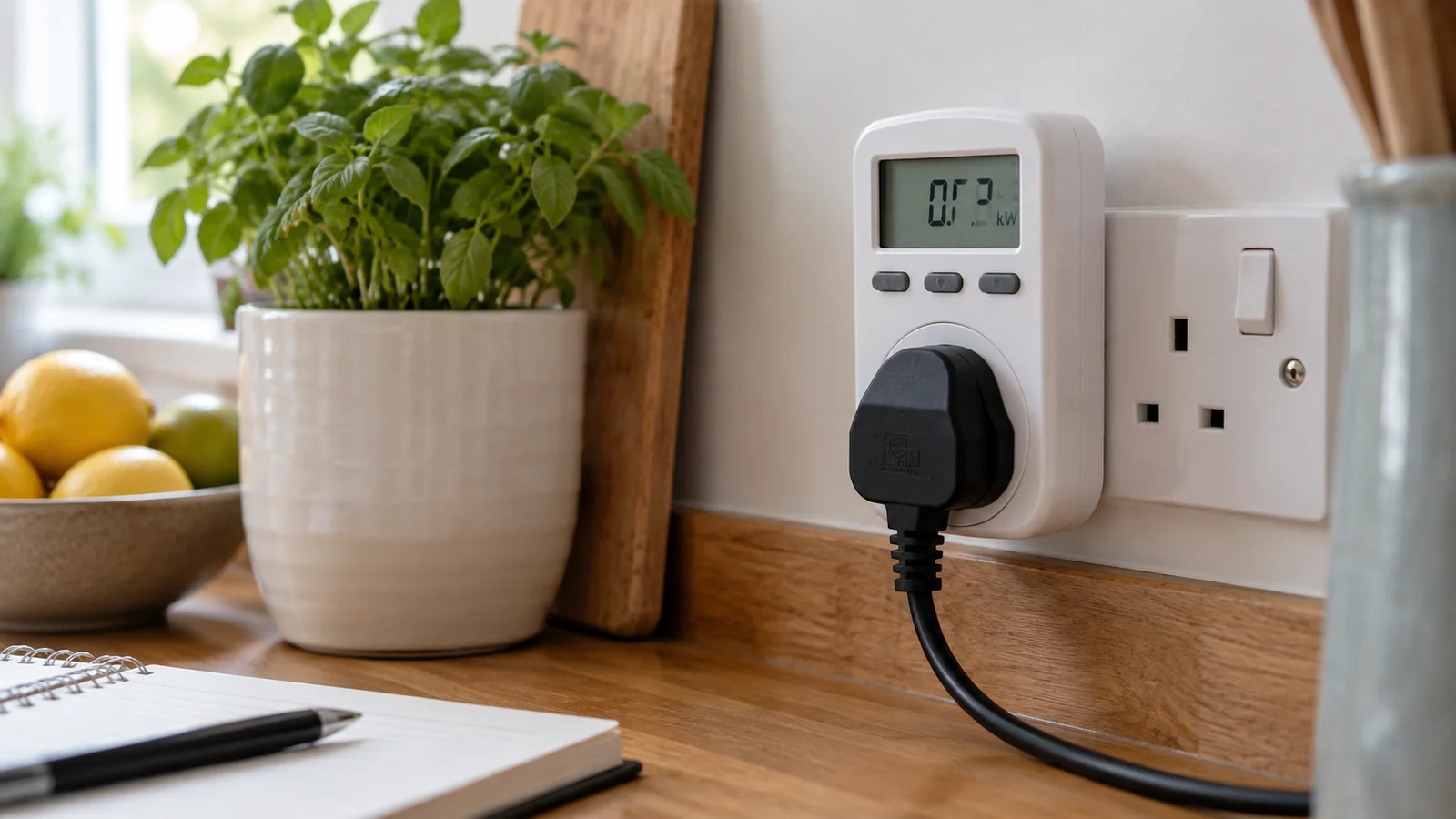
Using a Plug-In Energy Monitor in a Rented Flat
Measure suitable plug-in appliances without altering wiring, then turn kWh readings into useful household decisions.
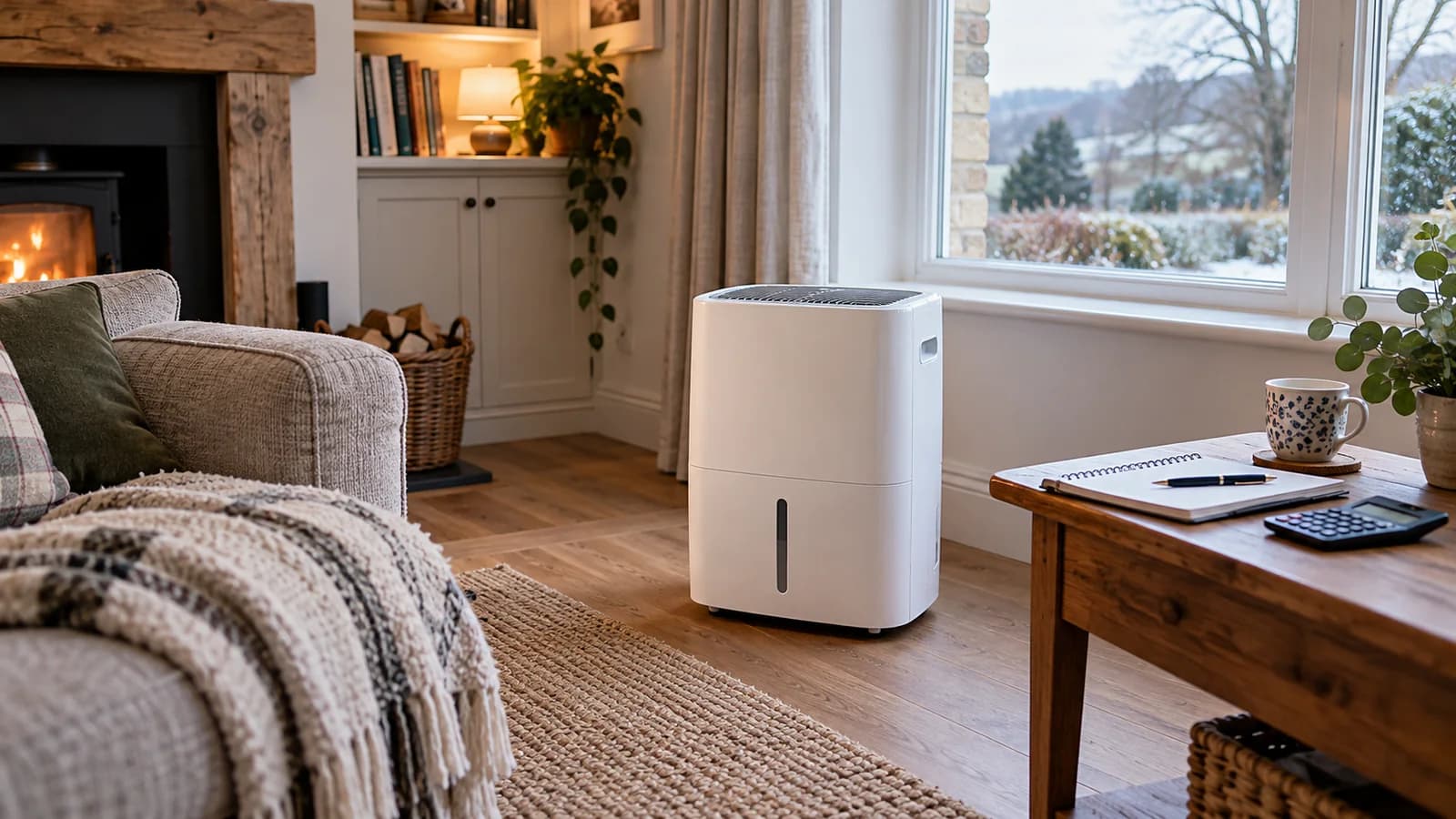
Dehumidifier Running Costs: Calculate Your Actual UK Cost
Use measured kWh and your tariff to compare a complete drying session, including time bands and purchase-cost assumptions.
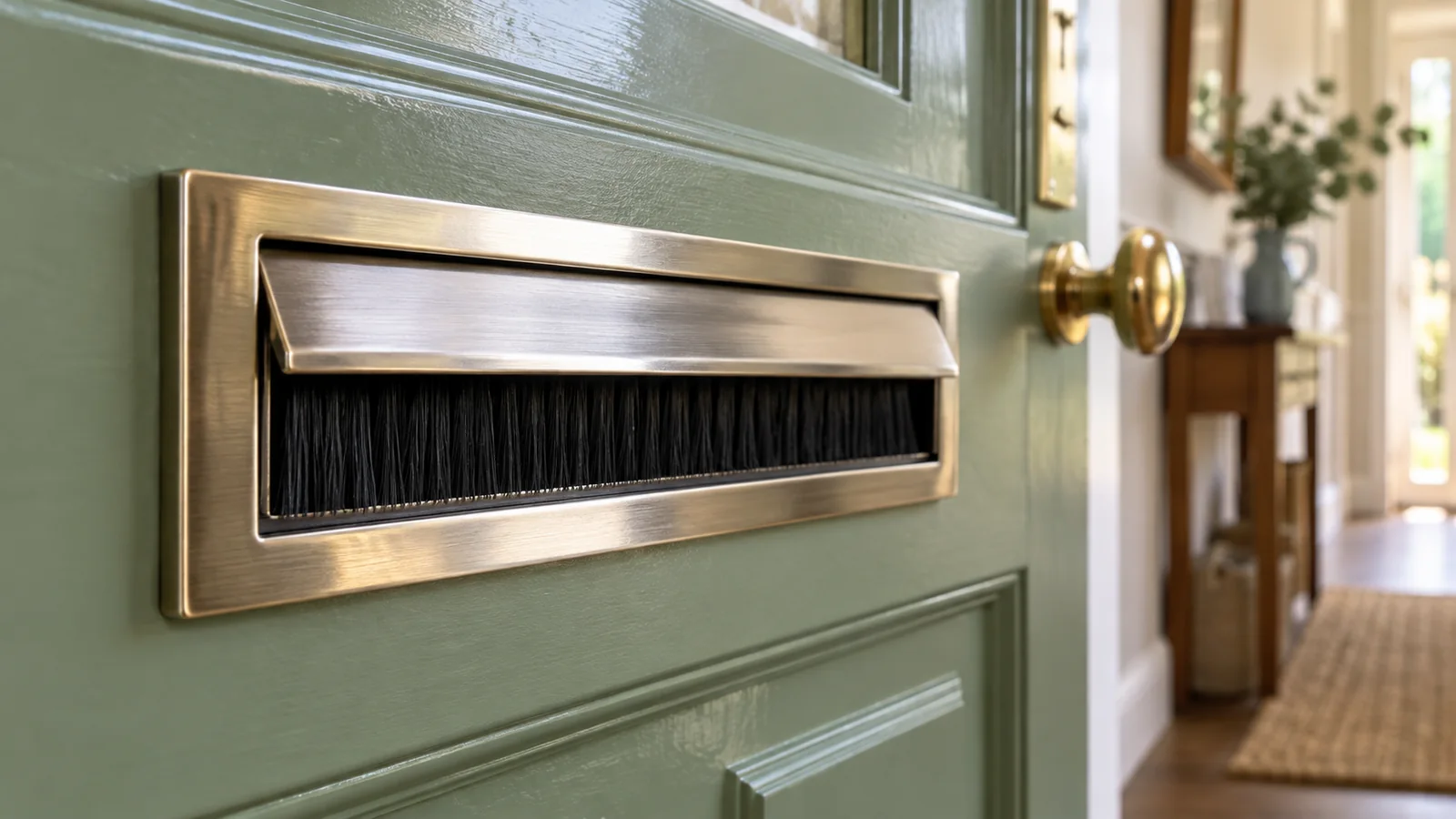
Letterbox Draught-Proofing: Checks Before Fitting a Brush
Check the source of the draught, door permissions, safe closure and ventilation before choosing a letterbox flap or brush.